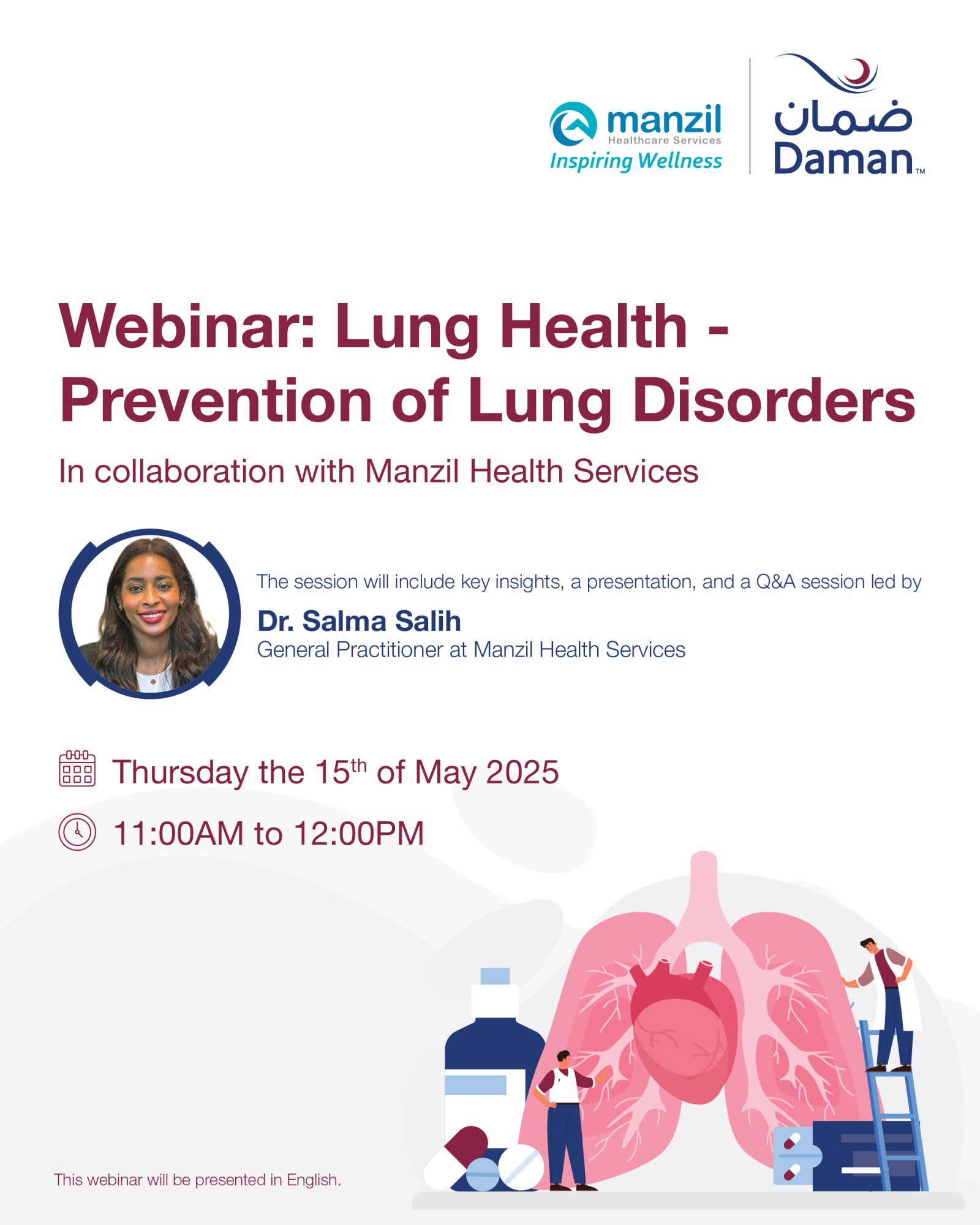
Empowering communities through evidence‑based respiratory health education
The human respiratory system is a sophisticated network that fuels every cell in the body with life‑sustaining oxygen. However, this essential system is continuously exposed to infectious agents. Infectious lung diseases remain a significant global health challenge, affecting millions annually and contributing to preventable morbidity and mortality.This month, we bring you a detailed and advanced overview to equip individuals, families, and organisations with the knowledge needed for prevention and early action.
Understanding Infectious Lung Diseases
Infectious lung diseases arise when bacteria, viruses, or fungi invade the lungs and airways, disrupting breathing and gas exchange. Severity varies depending on the organism, immunity, and environmental exposures.
Major categories include:
1. Viral Infections
•Influenza (Flu)
•COVID 19
•Respiratory Syncytial Virus (RSV)
2. Bacterial Infections
•Bacterial Pneumonia
•Tuberculosis (TB)
•Pertussis (Whooping Cough)
3. Fungal Infections
•Aspergillosis
•Histoplasmosis
•Coccidioidomycosis (Valley Fever)
These conditions may affect the bronchi, alveoli, or lung tissue impairing oxygenation and triggering inflammation.
Learn more: Infectious Respiratory Disease Basics Course | American Lung Association
Advanced Symptom Recognition
Early recognition leads to better outcomes. Beyond cough and fever, clinicians emphasise monitoring for:
•Progressive chest tightness
•High mucus production or color changes
•Night sweats (especially in TB)
•Rapid heartbeat, dizziness
•Bluish lips or fingertips (low oxygen saturation)
Understanding symptom patterns helps differentiate between viral, bacterial, and fungal causes.
Learn more about the common symptoms of lung infections: Lung Infection: Symptoms, Pneumonia, and Causes
How These Diseases Spread: The Science Behind Transmission
Infectious lung diseases spread through:
1. Respiratory Droplets
Released during coughing, sneezing, or talking.
2. Aerosols
Tiny particles that remain suspended in air especially in poorly ventilated spaces.
3. Surface Contamination
Touching infected surfaces and then touching the face.
4. Environmental Exposure
Fungal infections linked to soil, plants, and mold common in humid or construction settings.
Diagnosis: How Health Professionals Identify Lung Infections
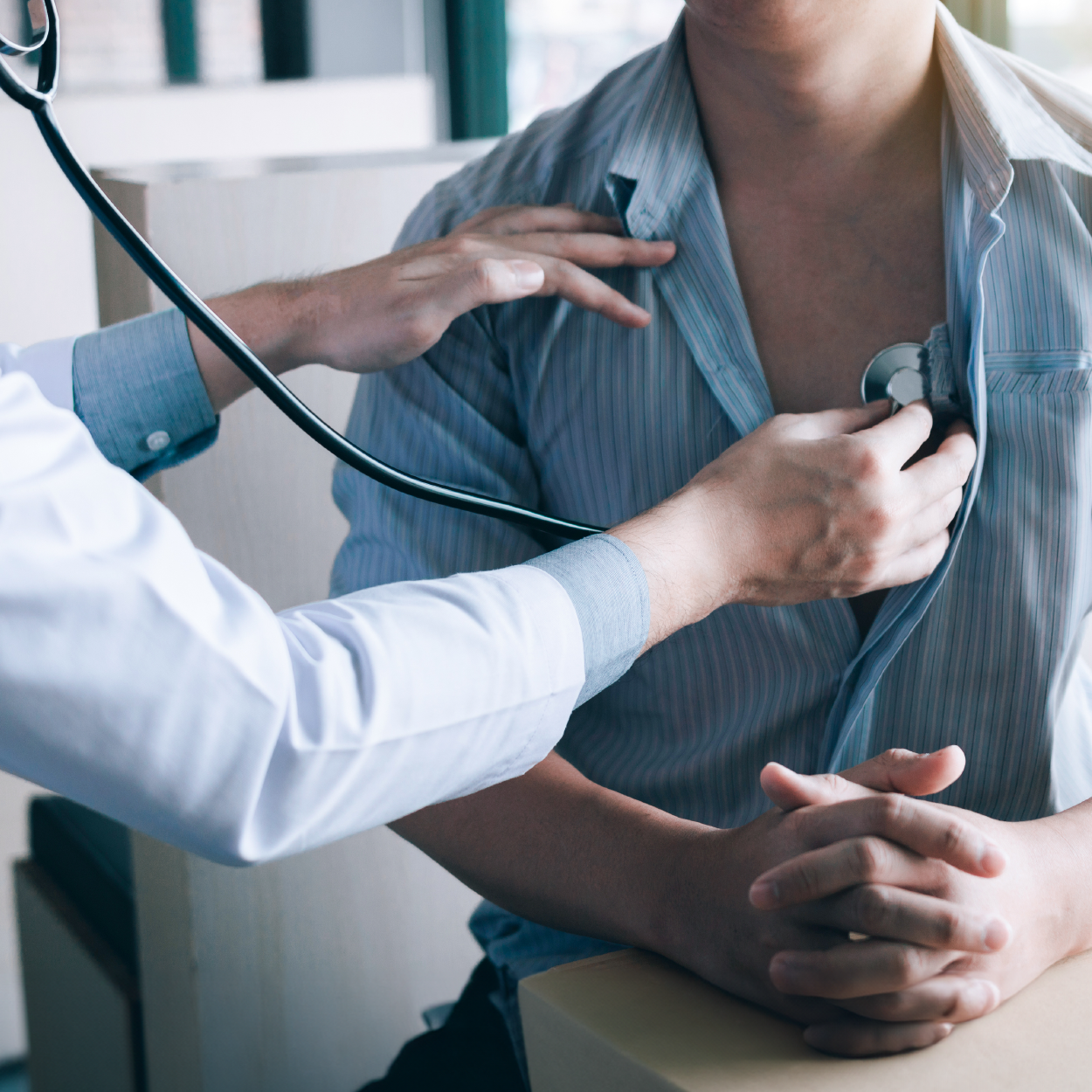
Diagnosing infectious lung diseases requires a combination of clinical assessment, imaging, and laboratory tests. Common diagnostic tools include:
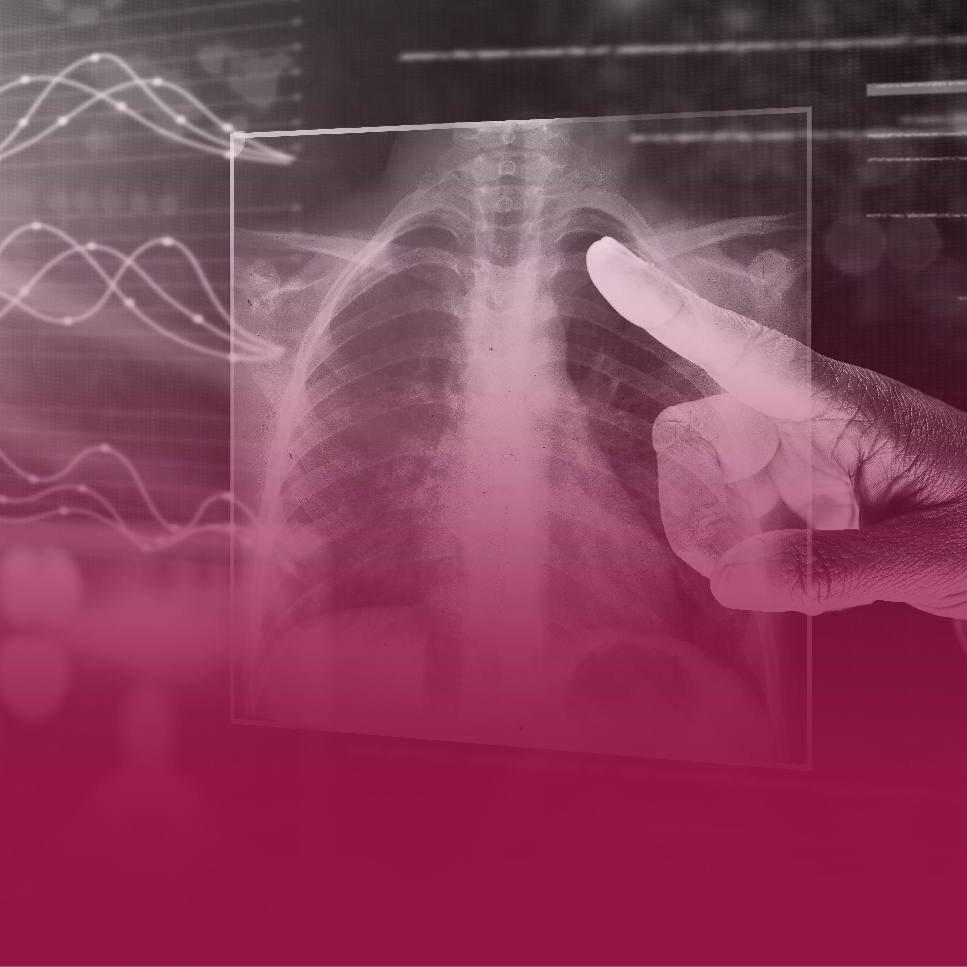
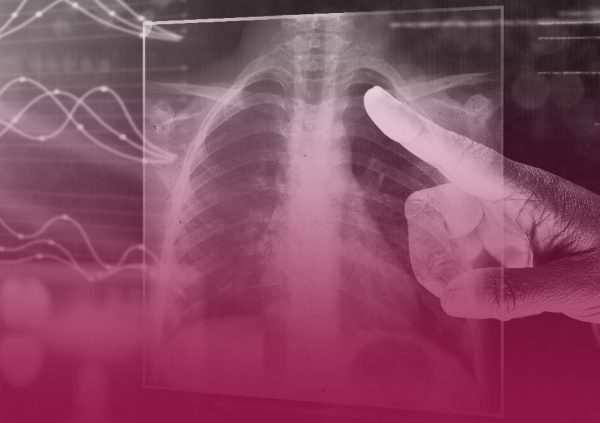
1. Chest X‑ray or CT scan
Reveals lung inflammation, fluid accumulation, or structural changes.
•CT scans are especially helpful in diagnosing fungal infections and complex pneumonia.
2. Blood Tests
Assess inflammation markers (CRP, ESR), oxygen levels, and presence of pathogens.
3. Sputum Culture & Microscopy
Used to identify bacterial or fungal pathogens.
4. PCR Tests
Highly sensitive tests used for viruses such as COVID‑19, RSV, and influenza.
5. Bronchoscopy
A camera instrument is inserted into the airways to collect fluid or tissue—useful when infection causes are unclear.
6. Tuberculin Skin Test & IGRA Blood Test
Used specifically for tuberculosis detection.
7. Fungal Antigen and Antibody Tests
•Help diagnose infections such as histoplasmosis or aspergillosis.
•Accurate diagnosis guides targeted and effective treatment.
Treatment: Evidence‑Based Approaches
Treatment depends on the cause of infection viral, bacterial, or fungal. Early medical intervention reduces complications and hospitalisation.
1. Viral Lung Infections
Treatment focuses on supportive care and, when appropriate, antiviral therapy.
•Antivirals: Oseltamivir (for flu), Paxlovid (for COVID 19), and others as clinically indicated
•Supportive care: Hydration, rest, fever management, oxygen therapy if needed
•Most viral infections improve within 7-14 days with appropriate care.
2. Bacterial Lung Infections
Require antibiotics, chosen based on severity and organism:
•Common antibiotics: Azithromycin, Amoxicillin clavulanate, Doxycycline
•Severe pneumonia may need IV antibiotics
•Tuberculosis requires long term combination therapy (6-9 months):
o Isoniazid, Rifampin, Ethambutol, Pyrazinamide
3. Fungal Lung Infections
Treated with antifungal medications:
•Voriconazole (for Aspergillosis)
•Itraconazole or Amphotericin B (for Histoplasmosis and Coccidioidomycosis)
•Severe cases may require prolonged therapy or hospitalisation
4. Supportive Treatments for All Types
•Supplemental oxygen
•Bronchodilators for airway narrowing
•Hydration therapy
•Respiratory physiotherapy
•Hospitalisation for severe respiratory distress
Treatment must always be guided by a healthcare provider, based on confirmed diagnosis.
Who Is at Risk for Infectious Lung Diseases?
People who may be at higher risk include:
•Older adults, especially those aged 65 and above
•Infants and young children
•Individuals with weakened immune systems
•People with chronic lung conditions (such asthma or COPD)
•Those with chronic diseases like diabetes, heart disease, or kidney disease
•Smokers and people exposed to secondhand smoke or air pollution
•Individuals living in crowded settings or with frequent close contact with others
•People who are not up to date with recommended vaccinations
Evidence‑Based Prevention: What Works
Protecting lung health requires a multi‑layered approach:
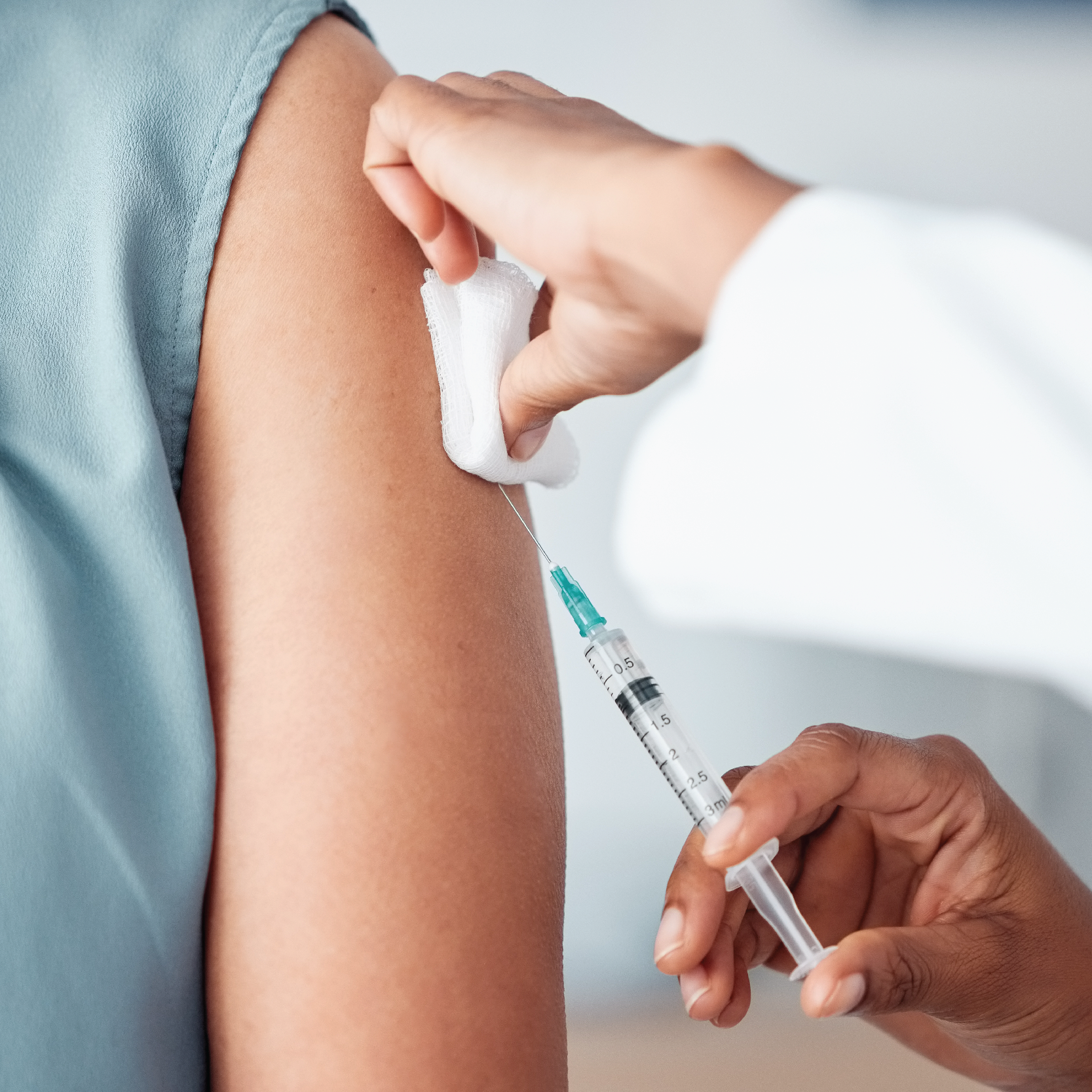
1. Vaccination: Your Strongest Shield
Key vaccines:
•Influenza
•Pneumococcal
•COVID 19
•Pertussis
2. Air Quality Control
•Improve ventilation
•Keep AC filters clean
•Reduce exposure to smoke and pollutants
3. Respiratory Hygiene
•Masking in high risk settings
•Hand hygiene
•Avoiding close contact with sick individuals
4. Strengthening the Immune System
Healthy sleep, nutritious diet, hydration, exercise, and stress management support strong immunity.
When to Seek Medical Attention?
Seek medical help if you experience:
•Symptoms last more than 72 hours
•Increasing difficulty breathing
•Fever >38.5°C
•Worsening chronic conditions (asthma, COPD)
•Recent exposure to dust, mold, or infected individuals
•Severe fatigue or low oxygen readings
Early treatment prevents complications like respiratory failure, sepsis, or chronic lung damage.
Final Message
Your lungs are extraordinarily working tirelessly every moment to keep you alive.
This Month, let’s prioritise education, early diagnosis, and preventive care to help our communities breathe easier and live healthier.