Introduction
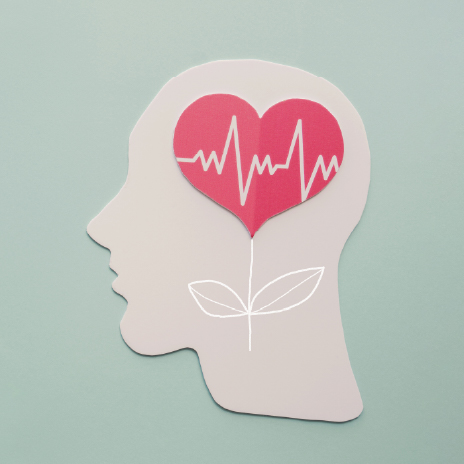
Mental health disorders involve significant changes in thinking, emotional regulation, or behaviour, often affecting a person’s ability to cope with daily life, work, and relationships. These disorders can cause distress or difficulties in important areas of functioning and can present in many forms. Some well-known mental health disorders include anxiety disorders, depression, bipolar disorder, and schizophrenia, each affecting individuals in unique ways.
Mental health disorders are common. However, many people face challenges accessing appropriate care and support. Stigma, discrimination, and social barriers often prevent understanding and recovery. This newsletter aims to raise awareness, promote understanding, and highlight the importance of compassionate care.
Common Mental Health Disorders:
Anxiety Disorders
• Characterised by excessive fear, worry, and related behavioural changes.
• Symptoms can interfere with daily life, including work, school, and social activities.
• Common types include:
o Generalised Anxiety Disorder: persistent and excessive worry.
o Panic Disorder: sudden and repeated panic attacks.
o Social Anxiety Disorder: intense fear or anxiety in social situations
o Separation Anxiety Disorder: excessive fear when separated from loved ones
• Effective psychological treatments are available
• Medication may also be recommended depending on age and severity
Depression
• Goes beyond normal mood fluctuations or short-term emotional responses
• Symptoms of a depressive episode may include:
o Persistent low mood or irritability
o Loss of interest or pleasure in activities
o Poor concentration or indecisiveness
o Feelings of guilt, low self-worth, or hopelessness
o Thoughts of death or suicide
o Changes in sleep, appetite, or weight
o Low energy or fatigue
• Symptoms are present most of the day, nearly every day, for at least two weeks.
• Effective psychological treatments and medication are available
Bipolar Disorder
• Characterised by alternating episodes of depression and mania
• Depressive episodes: persistent low mood and loss of interest or pleasure
• Manic episodes may include:
o Elevated or irritable mood
o Increased activity or energy
o Increased talkativeness and racing thoughts
o Inflated self-esteem
o Decreased need for sleep.
o Distractibility
o Impulsive or reckless behaviour
• Increased risk of suicide
• Effective treatments include psychoeducation, stress reduction, strengthening social functioning, and medication.
Schizophrenia
• Characterised by significant impairments in perception, thinking, and behaviour.
• Symptoms may include:
o Persistent delusions
o Hallucinations
o Disorganised thinking
o Highly disorganised or agitated behaviour
o Cognitive difficulties affecting memory, attention, and decision-making.
• Can significantly affect daily functioning and quality of life
• Effective treatments include medication, psychoeducation, family interventions, and psychosocial rehabilitation.
Risk Factors of Mental health
• Mental health is influenced by individual, family, community, and societal factors.
• Adverse circumstances such as poverty, violence, disability, or inequality can increase the risk.
• Psychological and biological factors, including emotional skills and genetics, also play a role.
• Many risk and protective factors are linked to changes in brain structure or function.
Tips for Supporting Your Mental Health
• Stay connected: Maintain supportive relationships with family, friends, or community groups.
• Manage stress: Practice relaxation techniques such as deep breathing, meditation, or yoga.
• Stay active: Regular physical activity can improve mood and reduce anxiety.
• Maintain healthy habits: Prioritise sleep, nutrition, and regular routines.
• Seek help early: Do not wait to get professional support if you notice persistent changes in mood, thoughts, or behaviour.
• Avoid substance misuse: Alcohol or drugs can worsen mental health symptoms.
When to See Professional Help
Seek professional support if you experience:
• Persistent feelings of sadness, hopelessness, or irritability
• Intense anxiety or panic attacks interfering with daily functioning.
• Dramatic changes in mood, sleep, or appetite
• Thoughts of self-harm or suicide
• Hallucinations, delusions, or disorganised thinking
Professional help may include therapy, counselling, medication, or a combination, depending on individual needs.
Conclusion
Understanding mental health disorders is essential for fostering empathy, reducing stigma, and promoting access to effective care. Anxiety, depression, bipolar disorder, and schizophrenia affect millions of people worldwide, each in unique ways, and can significantly impact daily functioning and quality of life.
Recognising the signs, understanding risk factors, and knowing when and how to seek professional help are key steps toward improving mental well-being.
By maintaining supportive relationships, practicing healthy habits, and encouraging open conversations about mental health, we can create a more compassionate and informed society. Whether supporting yourself or someone you care about, early intervention, education, and access to professional resources play a crucial role in recovery and overall mental wellness.
Resources:
WHO – Mental Health Overview & Resources
NIMH – Mental Health Information
Psychiatry.org - Autism Spectrum Disorder
Defining and understanding mental health - UChicago Medicine