Understanding, Preventing & Managing Bone Loss
Introduction
Bone health is essential at every stage of life, yet it is often taken for granted until problems arise. Osteoporosis is one of the most common bone diseases worldwide, affecting millions of people, especially as they age. Despite its widespread impact, it is often underdiagnosed and untreated because it progresses silently without noticeable symptoms.
Raising awareness about osteoporosis and promoting preventive measures can significantly reduce the risk of fractures, disability, and loss of independence. By understanding this condition and adopting healthy habits early, individuals can maintain strong, resilient bones throughout their lives.
What is Osteoporosis?
Osteoporosis is a chronic condition characterised by a decrease in bone density and quality, leading to fragile bones that are more prone to fractures.
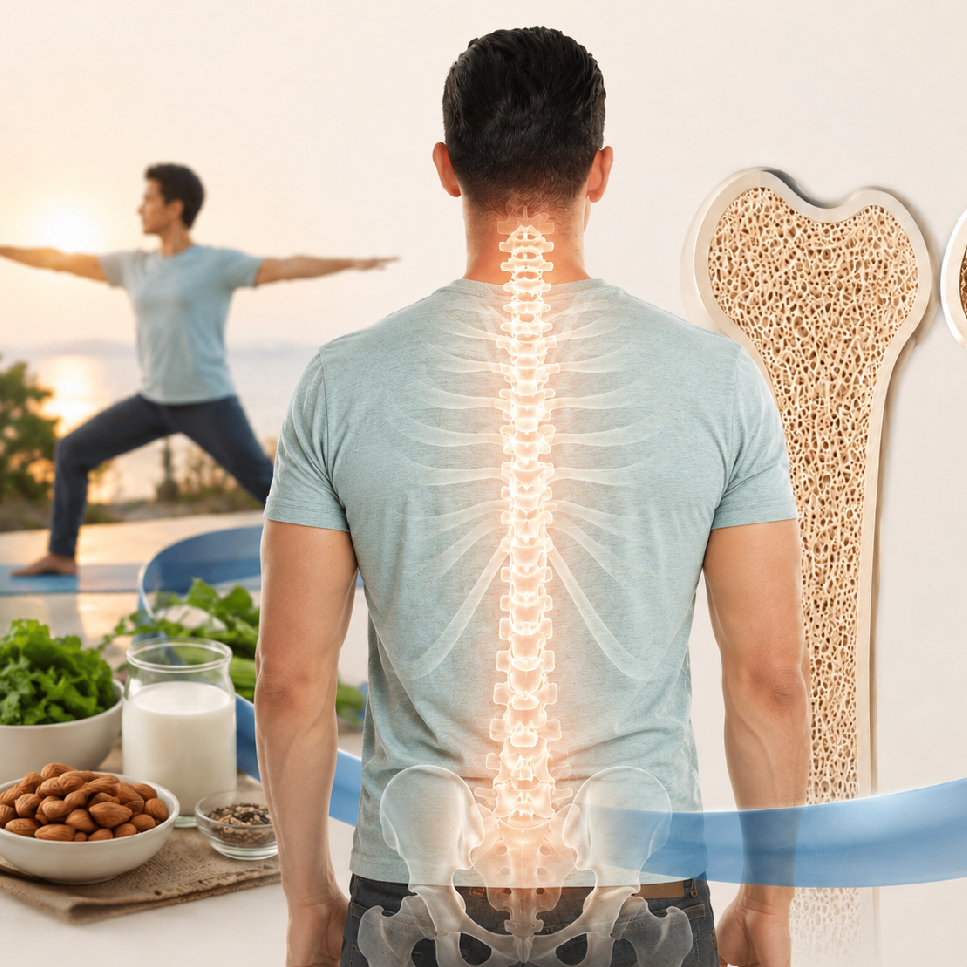
Bones are living tissues that constantly break down and rebuild (a process called bone remodeling). In osteoporosis, this balance is disrupted bone loss occurs faster than new bone formation, resulting in weakened bone structure.
Over time, bones become porous (like a honeycomb), significantly reducing their strength.
Read more: Osteoporosis Causes, Risk Factors, & Symptoms | NIAMS
Why Osteoporosis is a Serious Concern
Osteoporosis is not just about weak bones it can have serious health consequences:
1. Increased risk of fractures (hip, spine, wrist)
2. Long-term pain and disability
3. Reduced mobility and Independence
4. Increased risk of complications, especially after hip fractures
5. Impact on quality of life and mental wellbeing
Hip and spine fractures can lead to prolonged hospitalisation and recovery.
Who is at Risk?
Osteoporosis can affect both men and women, but certain individuals are at higher risk:
Non-modifiable Risk Factors:
● Aging (especially 50+ years)
● Female gender (post-menopause due to reduced estrogen)
● Family history of osteoporosis or fractures
● Small body frame
Modifiable Risk Factors:
● Low calcium and vitamin D intake
● Lack of physical activity
● Smoking and excessive alcohol consumption
● Long-term use of certain medications (e.g., corticosteroids)
● Poor nutrition
Learn more: Osteoporosis Risk Factors | UC San Diego Health
Signs & Symptoms
Osteoporosis is often called a “silent disease” because it develops without symptoms until a fracture occurs.
However, warning signs may include:
1. Frequent or easily occurring fractures
2. Back pain from spinal compression fractures
3. Loss of height over time
4. Curved or stooped posture
Understanding Bone Health
Bone strength depends on:
● Bone density: (amount of minerals like calcium)
● Bone quality: (structure and flexibility)
Peak bone mass is usually reached by the age of 25–30 years, after which bone loss gradually begins. This makes early prevention especially important.
How to Maintain Strong Bones
A well-balanced diet is key:
1. Calcium sources:
● Milk, yogurt, cheese
● Leafy greens (spinach, kale)
● Almonds
2. Vitamin D sources:
● Sunlight exposure: Aim for about 10-30 minutes of sunlight several times a week (depending on skin type and weather), preferably in the early morning or late afternoon. Avoid excessive exposure and use protection to reduce the risk of skin damage.
● Fatty fish (salmon, tuna)
● Fortified foods such as milk, cereals, and juices are often enriched with essential nutrients like vitamin D, calcium, and iron, helping to support bone health, immunity, and overall nutrition.
Other Important Nutrients:
● Protein (supports muscle and bone strength)
● Magnesium and phosphorus
Physical Activity
Exercise helps build and maintain bone density:
● Weight-bearing exercises: walking, jogging, dancing
● Strength training: improves muscle and bone strength
● Balance exercises: yoga, tai chi (reduce fall risk)
Lifestyle Choices
● Avoid smoking
● Limit caffeine and carbonated drinks
● Reduce alcohol intake
● Maintain a healthy body weight
Screening & Diagnosis
Early detection is key in preventing complications.
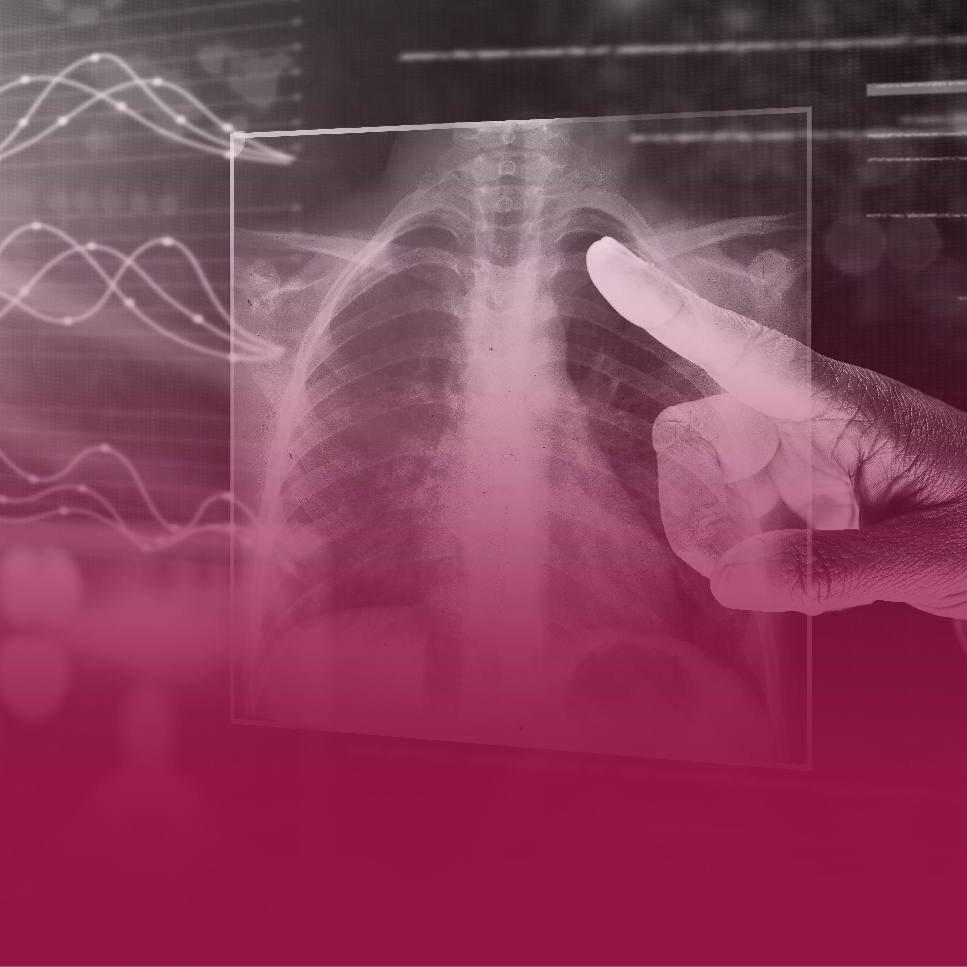
1. Bone Density Test (DEXA scan)
● Measures bone mineral density
● Helps diagnose osteoporosis before fractures occur
Recommendation for:
o Women aged 65+
o Men aged 70+
o Younger individuals with risk factors
2. Prevention Strategies
● Build strong bones early in life
● Maintain a balanced diet rich in calcium and vitamin D
● Stay physically active regularly
● Preventing falls by improving home safety
● Regular health check-ups and screenings
Tips for Everyday Bone Care
● Spend 10–15 minutes in sunlight daily
● Include calcium-rich foods in meals
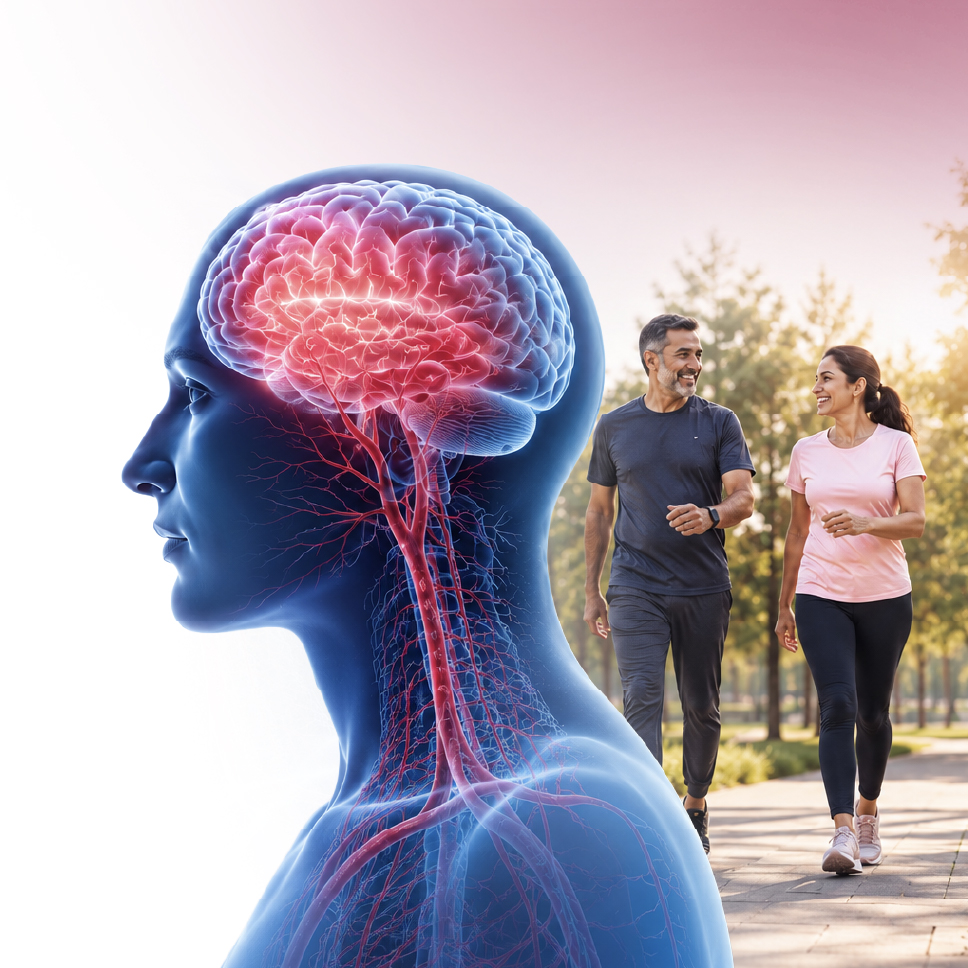
● Exercise at least 3–4 times per week
● Ensure home safety (good lighting, non-slip mats)
● Discuss supplements with your healthcare provider
Key Takeaway
Osteoporosis is largely preventable and manageable when individuals take proactive steps early in life and continue them consistently. By adopting healthy lifestyle habits—such as maintaining a balanced diet rich in calcium and vitamin D, engaging in regular weight-bearing exercise, avoiding smoking, and limiting alcohol intake—you can significantly reduce the risk of bone loss.
Early awareness, regular screening (especially for high-risk groups), and timely medical guidance also play a crucial role in managing the condition effectively. Strong bones not only support physical health but also help maintain mobility, independence, and quality of life as you are.
Investing in your bone health today means building a foundation for a safer, stronger, and more independent future.
Resources:
International Osteoporosis Foundation | IOF