As the blessed month of Ramadan approaches, millions of Muslims worldwide prepare to fast from dawn to sunset. Fasting during this holy month is not only a spiritual obligation but also a valuable opportunity to reset habits, practice self-discipline, and enhance overall health and wellbeing.
This newsletter aims to provide practical guidance on healthy fasting, nutritious food choices, and managing chronic health conditions during Ramadan. Whether you are a seasoned faster or observing Ramadan for the first time, these tips will help you care for your body and mind while fulfilling your spiritual goals.
What Is Healthy Fasting?
Ramadan is a time of reflection, gratitude, and compassion. From a health perspective, healthy fasting means nourishing the body wisely, staying hydrated, and avoiding extremes.
Key Health Tips for a Healthy Ramadan
1. Stay Hydrated
Dehydration is one of the most common challenges during fasting. Aim for at least 2-3 litres of water overnight.
Tips:
• Sip water gradually rather than all at once.
• Include water-rich foods like watermelon, cucumber, oranges, and soups.
• Limit caffeinated drinks (coffee, tea, soft drinks), as they increase fluid loss.
2. Eat Balanced and Nutritious Meals
Balanced meals help maintain energy levels, prevent fatigue, and support digestion.
Healthy Food Choices to Include:
• Complex carbohydrates: whole wheat bread, brown rice, oats, quinoa
• Lean proteins: eggs, fish, chicken, lentils, chickpeas, beans
• Healthy fats: olive oil, avocado, nuts, seeds
• Fruits and vegetables: leafy greens, dates, berries, carrots, tomatoes
These foods provide sustained energy, essential vitamins, and minerals needed during fasting.
3. Avoid Overeating at Iftar
After long fasting hours, it can be tempting to overeat. However, large and heavy meals can cause:
• Bloating
• Indigestion
• Acid reflux
• Fatigue
Healthy Iftar Approach:
• Break your fast with dates and water.
• Start with a light soup or salad.
• Wait a few minutes before the main meal.
• Eat slowly and mindfully.
4. Focus on a Nourishing Suhoor
Suhoor is essential for maintaining energy and preventing dehydration during the day.
Ideal Suhoor Foods:
• Oats with milk or yogurt
• Eggs with whole-grain bread
• Greek yogurt with fruit and nuts
• Peanut butter or hummus on whole-grain toast
Avoid salty, sugary, or highly processed foods, as they increase thirst and energy crashes.
5. Exercise Wisely
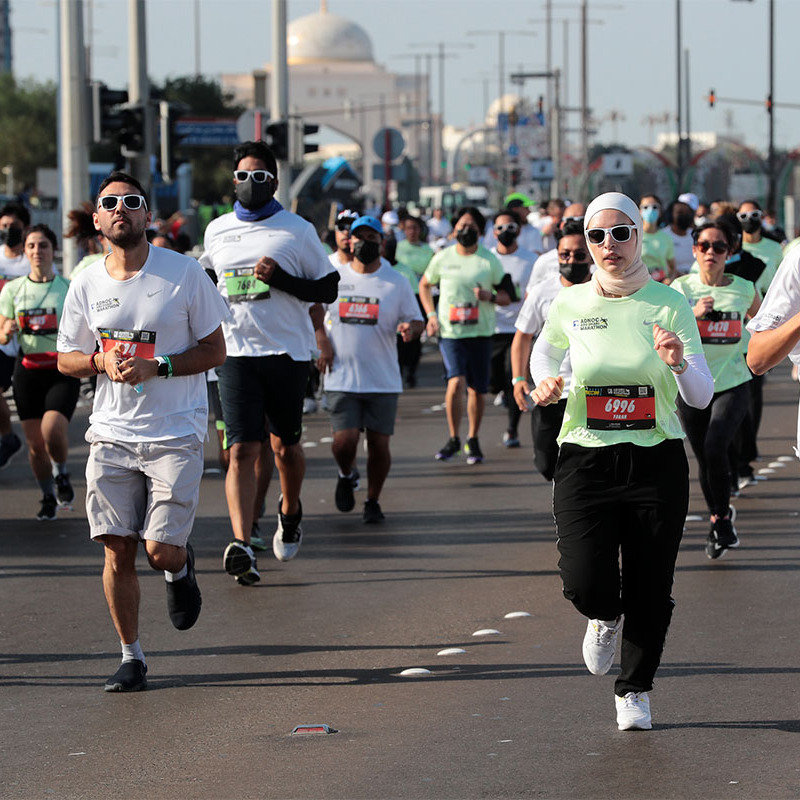
Maintaining light physical activity supports circulation and overall health.
Best Times to Exercise:
The best times to work out in Ramadan are after Iftar or before Suhoor, when you can hydrate and refuel properly. Exercising while fasting is possible, but it should stay light to avoid dehydration and fatigue.
After Iftar (ideal for intense training)
• When: 1–2 hours after a light Iftar.
• What: Strength training, moderate–high intensity cardio.
• Why: Your body is rehydrated and fuelled, and you can eat again after training to support recovery.
Before Suhoor (good for high intensity sessions)
• When: Just before the pre dawn meal.
• What: High intensity workouts.
• Why: You can immediately rehydrate and eat, giving you energy for the day.
Before Iftar (only for light activity)
• When: Last hour before breaking the fast.
• What: Walking, yoga, light resistance work.
• Why: Energy levels are low, but you can eat and drink right after.
• Caution: Avoid intense workouts to prevent dehydration and fatigue.
Important note: Stay well hydrated between Iftar and Suhoor with water, electrolytes, lean protein, and slow digesting carbs; keep workouts moderate to maintain fitness; pay attention to any signs of dizziness or fatigue; and support your energy by getting enough sleep, using short naps when needed.
Managing Chronic Conditions While Fasting
Fasting can still be observed safely for many people with chronic conditions, with proper planning and medical advice.
1. Diabetes
• Monitor blood glucose regularly.
• Consult your doctor to adjust medications.
• Choose low–glycaemic index foods (whole grains, vegetables, legumes).
• Break the fast if blood sugar becomes dangerous.
When to Break the Fast: Patients are strongly advised to break the fast immediately if:
• Blood glucose is below 70 mg/dL (3.9 mmol/L).
• Blood glucose is above 300 mg/dL (16.7 mmol/L).
• Symptoms of hypoglycaemia, hyperglycaemia, or acute illness occur.
Read more: IDF_DaR_Practical_Guidelines_Ramadan.pdf
2. Hypertension (High Blood Pressure)
• Reduce salt intake.
• Avoid processed and fried foods.
• Increase potassium-rich foods (bananas, spinach, beans).
• Stay well hydrated.
3. Asthma
• Follow medication schedules carefully.
• Consult your doctor regarding inhaler use.
• Avoid triggers such as smoke, dust, or strong fragrances.
• Breaking the fast for medical necessity is permissible.
4. Digestive Disorders
For conditions such as acid reflux, gastritis, or IBS:
• Eat smaller portions.
• Avoid spicy, fried, and fatty foods.
• Choose grilled, steamed, or baked foods.
• Avoid lying down immediately after eating.
Healthy Ramadan Food Ideas
Healthy Iftar Plate:
• Dates + water
• Lentil or vegetable soup
• Grilled chicken or fish
• Brown rice or whole wheat bread
• Steamed vegetables or salad
Healthy Suhoor Plate:
• Oats or whole grains
• Eggs or yogurt
• Fruits
• Plenty of water
Speak With Your Healthcare Provider
If you have any chronic health conditions, always consult your doctor before Ramadan. They can help adjust medication schedules and provide personalised advice to ensure safe fasting.
Conclusion: Strive for Balance
Ramadan is a time of spiritual growth, reflection, and compassion. By practicing healthy fasting, choosing nutritious foods, staying hydrated, and seeking medical guidance when needed, you can make this month a journey of both spiritual and physical wellness.
May this Ramadan bring you peace, good health, and countless blessings.
Wishing you a blessed and healthy Ramadan.
Resources:
WHO EMRO - Stay healthy during Ramadan