Introduction
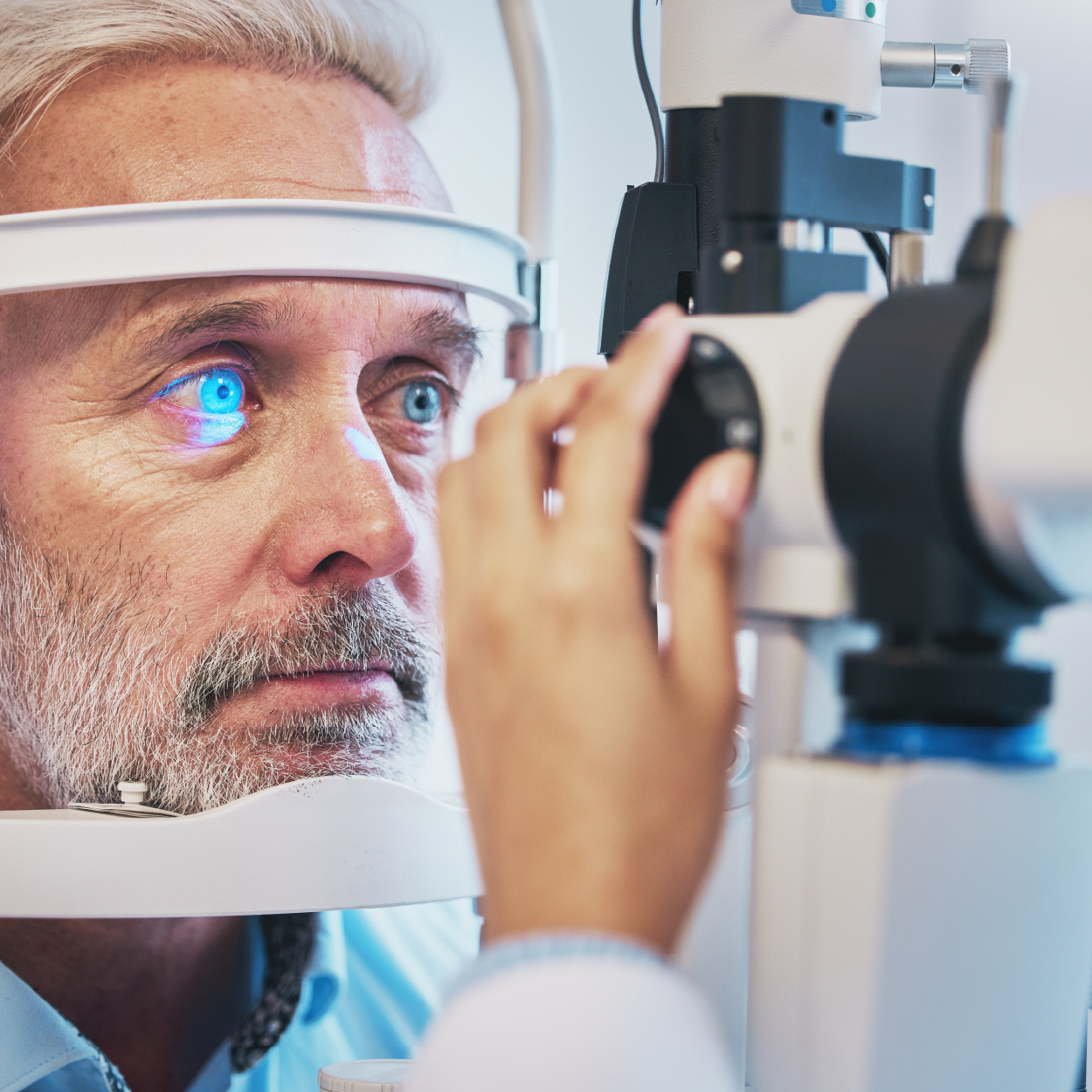
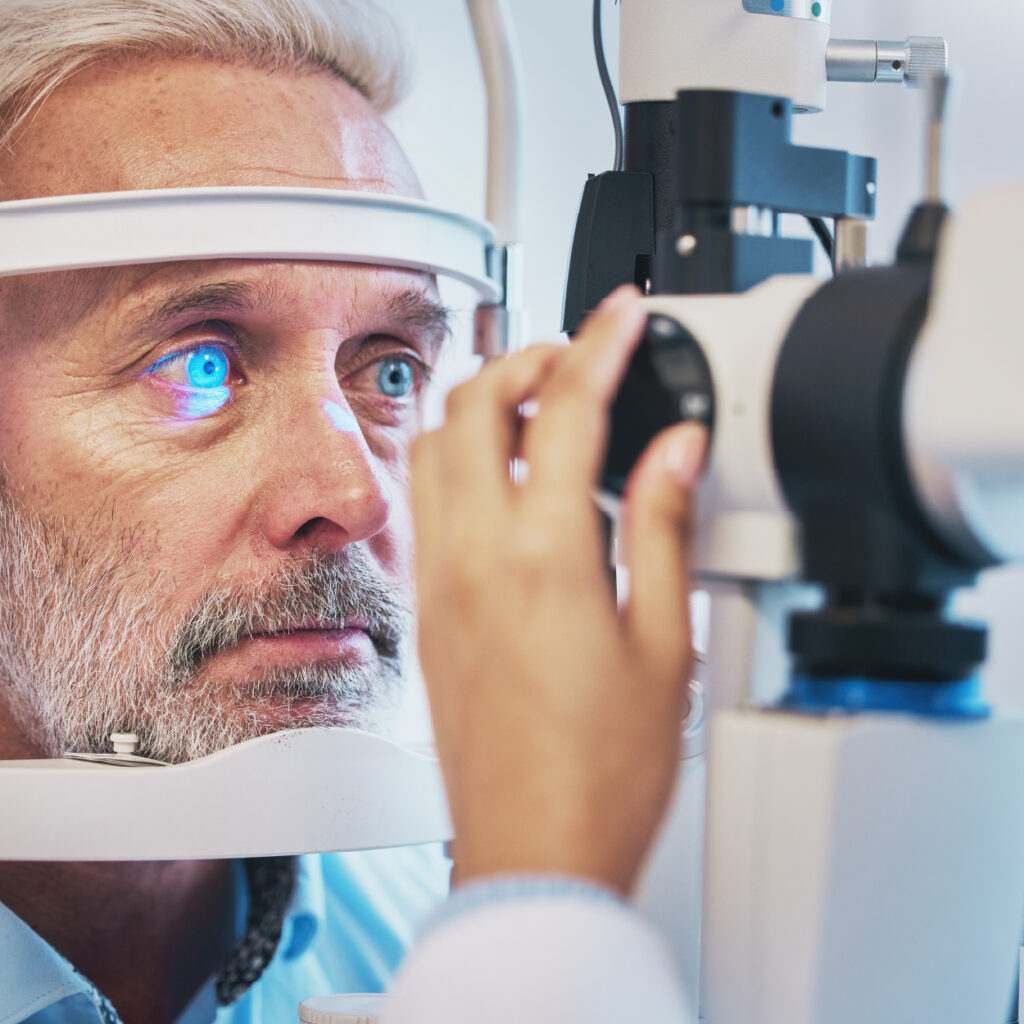
The eyes are often called the windows to overall health. During a comprehensive eye examination, eye care professionals can assess vision and eye health and may also detect early signs of systemic conditions such as diabetes and hypertension. Many eye diseases develop slowly and without noticeable symptoms, which means vision changes may only be recognised at advanced stages.This newsletter aims to raise awareness about common eye conditions, promote early detection, and encourage practices that support lifelong eye health.
Here are some common Eye Disorders:
1. Age-Related Macular Degeneration (AMD)
What is it?
Age‑related macular degeneration (AMD) is an eye condition that affects the macula, causing blurred central vision. It is a common cause of vision loss in older adults and can make everyday activities like reading, driving, and recognising faces more difficult, though it does not cause complete blindness.
There are two types of AMD: dry and wet.
Dry AMD is the most common and progresses slowly, while wet AMD is less common, develops in later stages, and causes faster vision loss—but it can be treated.
Stages & Symptoms:
Early dry AMD has no symptoms. As it progresses, people may notice mild blurred central vision or difficulty seeing in low light. In late AMD, straight lines may appear wavy, central vision becomes blurry or blank, colors look less bright, and vision in low light worsens.
How to Lower the Risk:
•Healthy diet rich in fruits and vegetables
•Avoid smoking
•Protect eyes from UV light
•Regular eye examinations
2. Astigmatism
What is it?
Astigmatism is a common eye condition that causes blurred or distorted vision. It occurs when the cornea or lens has an irregular shape, affecting how light is focused on the eye.Astigmatism can only be diagnosed through an eye exam. It can be effectively corrected with eyeglasses or contact lenses, and in some cases, surgery may be an option.
Common Symptoms are:
•Blurry vision
•Needing to squint to see clearly
•Headaches
•Eye strain
•Trouble seeing at night
Treatment:
Astigmatism is most treated with eyeglasses or contact lenses prescribed by an eye doctor to improve vision. In some cases, surgery may be used to reshape the cornea so light focuses properly. Mild astigmatism may not require treatment, and an eye doctor can help determine whether treatment is needed and which option is most suitable.
3. Cataracts
What is it?
A cataract is a clouding of the eye’s natural lens, which is normally clear and helps focus light onto the retina. When the lens becomes cloudy, light cannot pass through properly, leading to blurred or reduced vision. Cataracts usually develop slowly and are very common with aging.
Symptoms of Cataracts
In the early stages, cataracts may not cause noticeable symptoms. As they progress, common symptoms include:
•Blurry or cloudy vision
•Faded or yellowed colors
•Increased sensitivity to light and glare
•Difficulty seeing at night
•Halos around lights
•Double vision in one eye
•Frequent changes in eyeglass or contact lens prescriptions
If these symptoms occur, an eye examination is recommended, as they may also indicate other eye conditions.
Treatment Options:
In the early stages, stronger lighting, anti‑glare sunglasses, or updated glasses may help manage symptoms. However, the only effective treatment for cataracts is surgery. Cataract surgery involves removing the cloudy lens and replacing it with a clear artificial lens (intraocular lens). It is one of the most common and safest surgical procedures and usually restores clear vision. Surgery is recommended when cataracts begin to interfere with daily activities such as reading, driving, or working.
4. Diabetic Retinopathy
An eye condition caused by diabetes that damages the blood vessels in the retina. Over time, high blood sugar levels can weaken or block these blood vessels, leading to vision problems. In the early stages, diabetic retinopathy may cause no symptoms. As it progresses, it can lead to blurred vision, dark spots, difficulty seeing at night, or vision loss.
Symptoms of Diabetic Retinopathy
In the early stages, diabetic retinopathy often causes no symptoms. Some people may notice occasional changes in vision, such as difficulty reading or seeing distant objects. As the condition progresses, damaged blood vessels in the retina may bleed into the vitreous (the gel‑like fluid inside the eye). This can cause dark floating spots or streaks, often described as cobwebs. While these spots may sometimes be clear on their own, prompt treatment is important, as ongoing bleeding can lead to scarring and further vision loss.
Complications of Diabetic Retinopathy:
Diabetic retinopathy can also lead to serious eye problems, including:
•Diabetic Macular Edema (DME): Fluid leaks into the macula, causing blurred central vision.
•Neovascular Glaucoma: Abnormal blood vessels block fluid drainage in the eye, increasing pressure and risking vision loss.
•Retinal Detachment: Scar tissue pulls the retina away from the back of the eye, leading to severe vision problems.
Prevention:
Managing your diabetes is the most effective way to reduce the risk of diabetic retinopathy. This includes keeping blood sugar levels within a healthy range through regular physical activity, healthy eating, and carefully following your doctor’s instructions for insulin or other diabetes medications.To monitor how well your treatment plan is working, doctors use a lab test called the A1C test, which shows your average blood sugar levels over the past three months. Working with your doctor to achieve your personal A1C goal can help prevent or slow the progression of diabetic retinopathy.
Read more: Diabetic Retinopathy | National Eye Institute
5. Glaucoma
Glaucoma is a group of eye diseases that damage the optic nerve, which is essential for vision. If left untreated, it can lead to permanent vision loss or blindness. Damage often occurs due to increased pressure inside the eye, although glaucoma can also develop with normal eye pressure.
Common Symptoms:
•Gradual loss of side (peripheral) vision
•Tunnel vision in later stages
•Vision changes often go unnoticed until the disease is advanced
•Often no early warning signs
Who Is at Risk?
•Adults over 60
•People with a family history of glaucoma
•Individuals of African or Hispanic/Latino descent
•People with certain medical conditions such as diabetes and high blood pressure
•Individuals who use corticosteroid medications long term
Learn more: Glaucoma | National Eye Institute
Tips to Protect Your Eyes and Vision:
•Get regular comprehensive eye exams
•Wear protective eyewear
•Protect your eyes from UV rays
•Give your eyes a break from screens
•Maintain a healthy diet
•Maintain a healthy weight and stay active
•Practice good contact lens hygiene
•Quit smoking or don’t start
•Know your family eye health history
Key Message
Good vision is essential for daily life and overall health. Many eye conditions develop gradually and without early symptoms, making awareness and early detection crucial. By understanding common eye disorders and adopting healthy eye care habits, individuals can help protect their vision and maintain eye health throughout life.