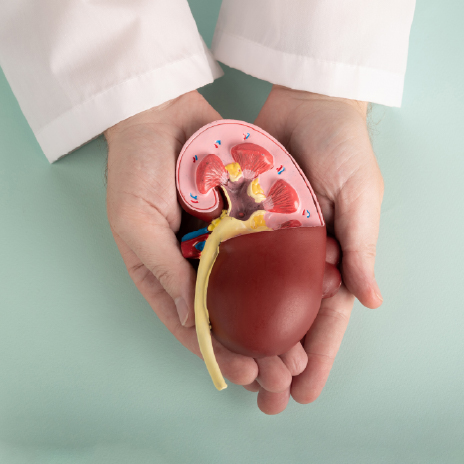
The kidneys are two bean shaped organs, each about the size of a fist. They filter extra water and waste from your blood to produce urine. Kidney disease occurs when the kidneys become damaged and can no longer filter the blood as effectively as they should.
Chronic Kidney Disease (CKD) affects millions worldwide, often without early warning signs, making awareness and early detection more important than ever. In this issue, we break down what CKD is, how it’s diagnosed, and the steps you can take to protect your kidney health for the long run.
What Kidneys Actually Do?
The kidneys are small but mighty organs with a big job. They:
• Filter waste and excess fluid from your blood
• Produce urine
• Balance electrolytes and body fluids
• Regulate blood pressure
• Help make red blood cells
• Activate Vitamin D to keep your bones strong
In short, they’re central to maintaining your body’s internal stability, also known as homeostasis.
Overview of Chronic Kidney Disease (CKD):
Chronic Kidney Disease (CKD) happens when the kidneys become damaged over time, usually over months or years, and can no longer perform their essential functions effectively. CKD increases the risk of serious complications, including heart disease and stroke.
The Five Stages of Kidney Disease:
Chronic Kidney Disease (CKD) is classified into five stages, based on the estimated Glomerular Filtration Rate (eGFR), which indicates how well the kidneys are functioning:
• Stage 1 (G1): eGFR 90 or above, with signs of kidney damage (e.g., protein in urine) but normal or increased function.
• Stage 2 (G2): eGFR 60-89, with mild loss of kidney function and signs of kidney damage.
• Stage 3 (G3): Moderate loss of function, split into:
o Stage 3a: eGFR 45-59 (mild to moderate).
o Stage 3b: eGFR 30-44 (moderate to severe).
• Stage 4 (G4): Severe loss of kidney function (eGFR 15-29).
• Stage 5 (G5): Kidney failure (eGFR <15), often requiring dialysis or a transplant.
Learn more: Stages of kidney disease (CKD) - American Kidney Fund
Who Should Get Tested?
Early kidney disease rarely causes symptoms, so testing is crucial, especially if you have:
• Diabetes
• High blood pressure
• Heart disease
• A family history of kidney failure
If you have diabetes, annual testing is recommended. For other risk factors, your healthcare provider can guide you on how often to be screened.
How CKD Is Diagnosed and Monitored
Chronic Kidney Disease is diagnosed through simple tests that check how well your kidneys are working and whether there is any damage. Healthcare providers typically use the following:
1. Blood Test (eGFR)
Measures your estimated Glomerular Filtration Rate (eGFR).
2. Urine Test (UACR)
Checks for albumin, a type of protein that should not be present in urine.
Protein in the urine is an early sign of kidney damage.
3. Blood Pressure Check
High blood pressure can cause kidney disease and worsen it.
4. Imaging Tests
Ultrasound or CT scans may be used to look at the size and structure of the kidneys.
5. Kidney Biopsy (in some cases)
A small sample of kidney tissue is examined to determine the cause of kidney damage.
Signs and Symptoms of CKD
Many people don’t notice symptoms until CKD is advanced. When symptoms do appear, they may include:
Early Signs:
• Foamy urine
• Changes in urination
• Dry or itchy skin
• Fatigue
• Nausea
• Loss of appetite
• Unintentional weight loss
Advanced Symptoms:
• Swelling in legs, ankles, feet, or arms
• Muscle cramps
• Trouble concentrating
• Shortness of breath
• Vomiting
• Difficulty sleeping
• Breath with an ammonia-like odour
Read more: Chronic kidney disease - Symptoms - NHS
Managing and Treating CKD:
Managing Chronic Kidney Disease focuses on slowing its progression, protecting remaining kidney function, and reducing complications. Treatment typically includes controlling underlying conditions like diabetes and high blood pressure, adopting healthy lifestyle habits, and taking medications to manage symptoms or protect the kidneys. Regular monitoring through blood and urine tests is essential. In advanced stages, patients may need to prepare for dialysis or a kidney transplant. Education, nutrition guidance, and ongoing medical support play key roles in effective CKD management.
Lifestyle Changes That Make a Difference
Adopting healthy habits can help protect your kidneys and support overall well-being:
• Quitting smoking
• Eating a balanced diet
• Limiting salt to <6g/day
• Exercising 150 minutes/week
• Limiting alcohol to ≤14 units/week
• Maintaining a healthy weight
• Avoiding Non Steroidal Anti Inflammatory Drugs NSAIDs (unless advised)
Read more: Preventing Chronic Kidney Disease - NIDDK
Conclusion
Chronic Kidney Disease is common, often silent, and potentially serious, but it’s also manageable when detected early. Understanding your risk factors, getting regular screenings, and making healthy lifestyle choices can significantly slow disease progression and protect your kidneys for years to come. Staying informed is one of the most powerful steps you can take toward better health.
References:
Chronic kidney disease (CKD) - Symptoms, causes, treatment | National Kidney Foundation