Understanding Stroke
What is a Stroke?
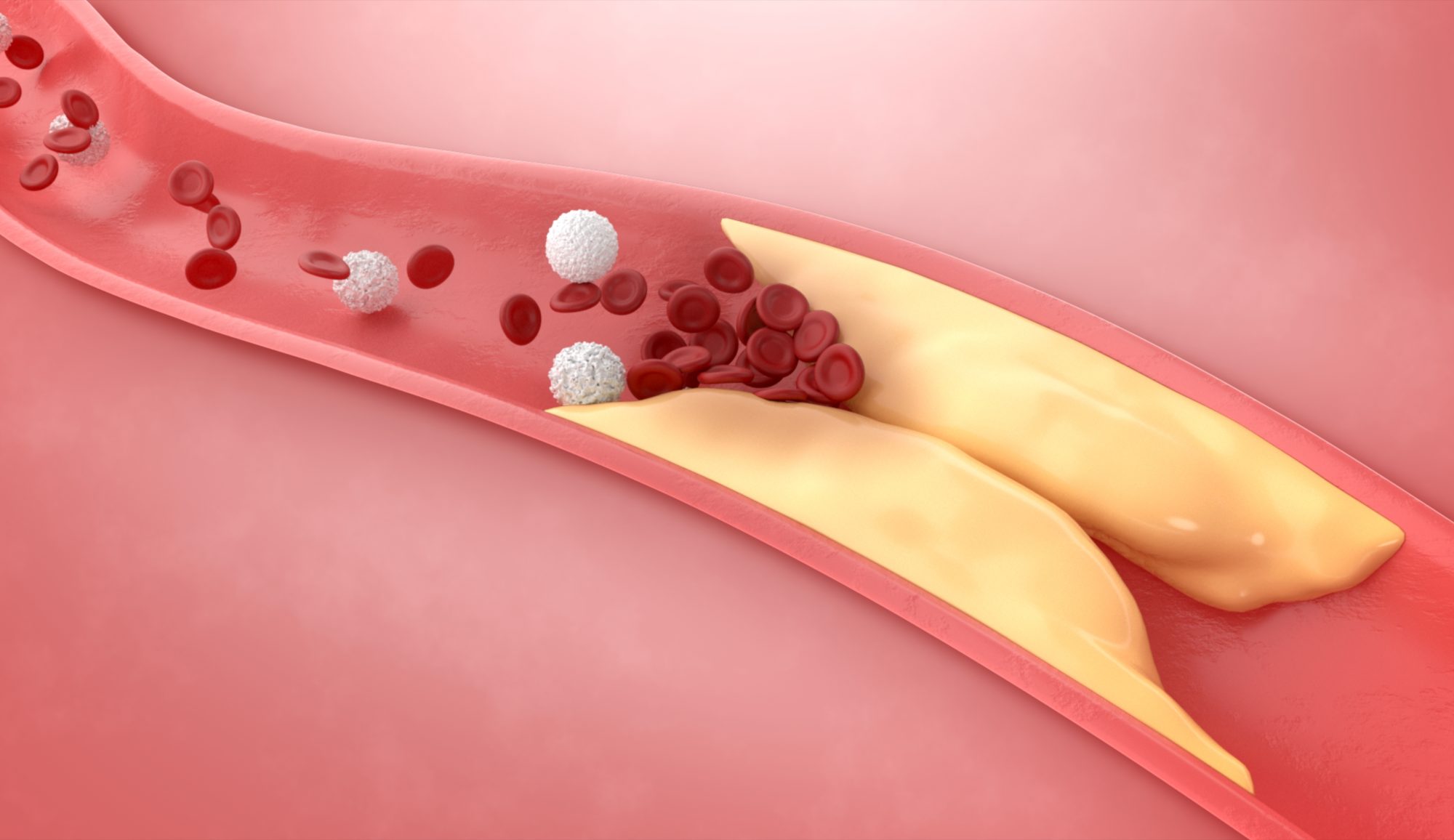
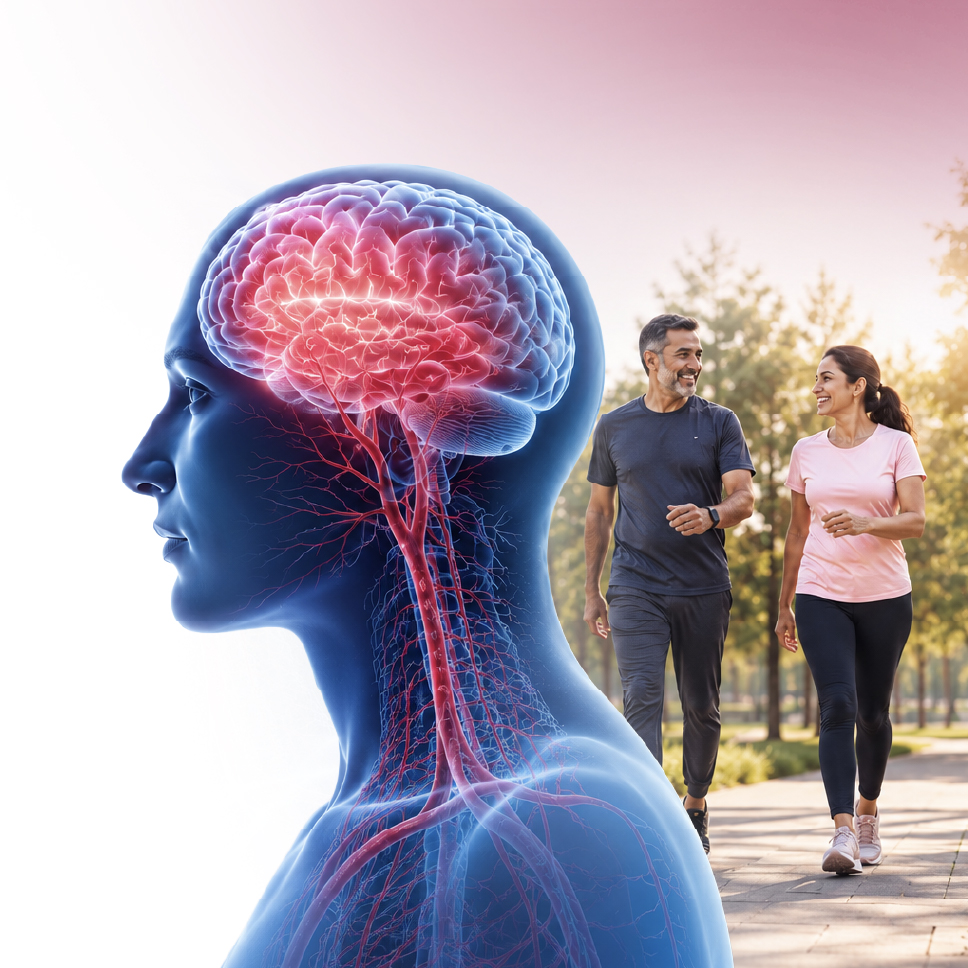
A stroke occurs when the blood flow to part of the brain is blocked or reduced, preventing brain cells from receiving the oxygen and nutrients they need to survive. Because the brain depends on a constant blood supply, damage can occur within minutes, causing a medical emergency that requires immediate treatment.
Every minute during a stroke, an estimated 1.9 million brain cells can be lost, which may affect speech, movement, memory, and independence. While stroke remains one of the leading causes of long-term disability worldwide, the good news is that many cases are preventable. By controlling risk factors such as high blood pressure, diabetes, high cholesterol, smoking, obesity, and physical inactivity, individuals can significantly reduce their risk and protect their brain health for years to come. Prevention is not just about avoiding a disease; it is about preserving quality of life, maintaining independence, and keeping your brain healthy and strong.
Types of Strokes:
1. Ischemic Stroke: The most common type of strokes, caused by a blockage or a blood clot that prevents blood from reaching part of the brain.
2. Haemorrhagic Stroke: Occurs when a blood vessel in the brain ruptures and causes bleeding into or around the brain. High blood pressure is a major risk factor for this type.
3. Transient Ischemic Attack (TIA): Often called a "mini stroke," a TIA causes temporary symptoms that usually resolve within minutes or hours. However, it is a serious warning sign that a major stroke may occur in the future.
Who is at Risk?
You may be at a higher risk of suffering a stroke if you have:
• High blood pressure
• Diabetes
• High cholesterol
• Heart disease
• Obesity
• Physical inactivity
• Smoking habits
• Previous stroke or heart attack
• Excessive alcohol consumption
• Family history of strokes
Potential Effects of a Stroke
The effects depend on which part of the brain is affected and how quickly the treatment is received.
Strokes may cause:
• Difficulty speaking or understanding speech
• Weakness or paralysis on one side of the body
• Vision problems
• Memory and cognitive difficulties
• Emotional changes, anxiety, or depression
• Problems with balance and coordination
Many stroke survivors recover with rehabilitation, but early treatment significantly improves outcomes.
Treatment of a Stroke (Brain Stroke):
Stroke treatment depends on the type of stroke and how quickly medical care is received. Early treatment can save brain cells and reduce long-term disability.
1. Ischemic Stroke (Caused by a Blood Clot)
This is the most common type of strokes. Treatment includes:
• Clot-busting medication (Thrombolytic Therapy) to dissolve the clot if administered within the appropriate time window after symptom onset.
• Mechanical thrombectomy, a procedure in which specialists remove the clot from a blocked artery in the brain.
• Medications to prevent future blood clots, such as antiplatelet or anticoagulant drugs, as prescribed by the treating physician.
2. Haemorrhagic Stroke (Caused by Bleeding in the Brain)
Treatment focuses on stopping bleeding and reducing pressure on the brain:
• Medications to control blood pressure and reduce brain swelling.
• Surgical procedures to repair blood vessels or remove accumulated blood when necessary.
3. Rehabilitation After Stroke
Recovery often requires rehabilitation to help regain lost functions:
• Physical Therapy: Improves strength, balance, and movement.
• Occupational Therapy: Helps patients relearn daily activities.
• Speech and Language Therapy: Assists with speech, communication, and swallowing difficulties.
• Psychological Support: Addresses depression, anxiety, and emotional challenges after stroke.
Quick Guide:
8 Key Steps to Prevent a Stroke
Most strokes can be prevented by adapting healthy lifestyle habits and managing health conditions effectively.
1. Control Blood Pressure: Monitor your blood pressure regularly, reduce salt intake, stay active, maintain a healthy weight, and follow your healthcare provider's treatment plan.
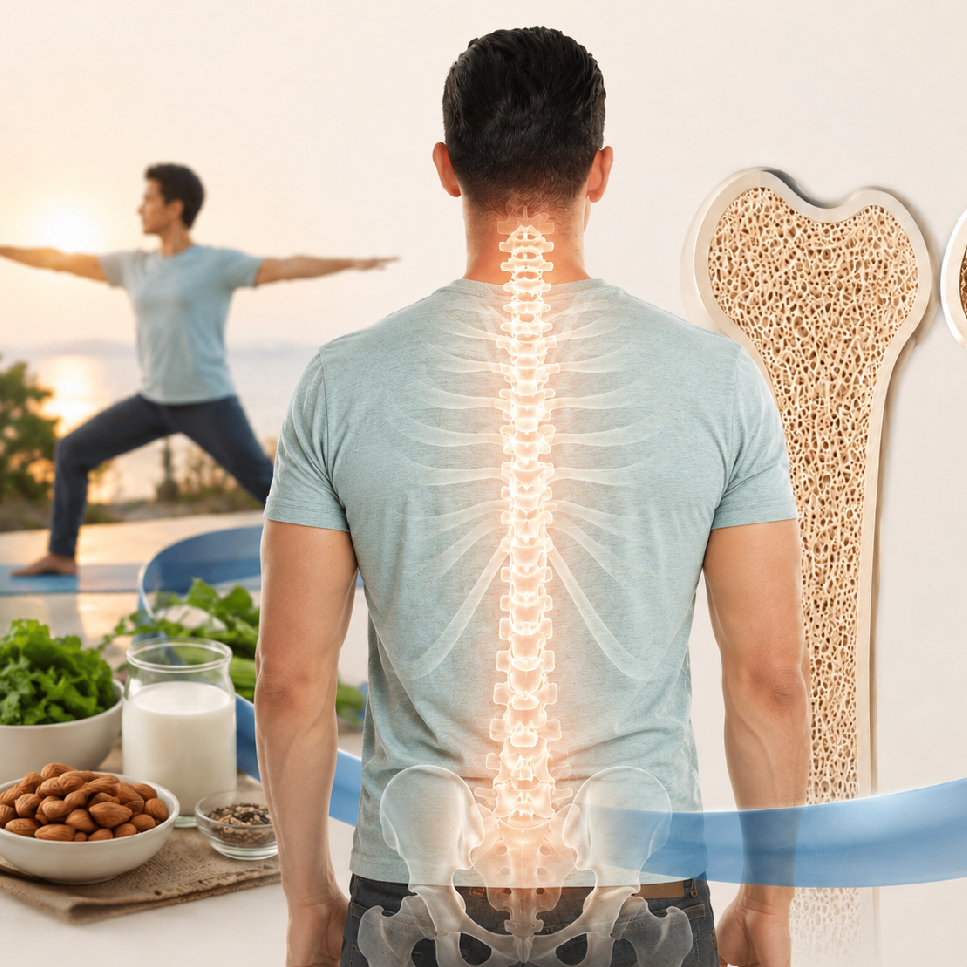
2. Stay Physically Active: Aim for at least 150 minutes of moderate exercise per week, such as walking, cycling, swimming, dancing, or yoga.
3. Eat a Brain-Healthy Diet: Choose plenty of fruits, vegetables, whole grains, fish, nuts, and legumes while limiting salt, sugary drinks, processed foods, and unhealthy fats.
4. Manage Cholesterol: Regular health checks, healthy eating, physical activity, and prescribed medications can help maintain healthy cholesterol levels.
5. Control Diabetes: Monitor blood sugar levels, follow medical advice, eat a balanced diet, stay active, and attend regular health check-ups.
6. Quit Smoking: Stopping smoking improves circulation, lowers blood pressure, and significantly reduces the risk of strokes and heart diseases.
7. Limit Alcohol Consumption: Avoid excessive alcohol intake and choose healthier beverage options whenever possible.
8. Prioritise Sleep & Mental Well-being: Get 7-9 hours of quality sleep each night and manage stress through relaxation techniques, physical activity, and social connections.
Simple daily habits that strengthen your brain can also help prevent strokes:
| Brain Fitness Activity | Benefit |
|---|---|
| Reading | Improves memory and concentration |
| Learning a new skill | Building new neural pathways |
| Exercising | Improves blood flow to the brain |
| Healthy eating | Protects blood vessels |
| Social engagement | Supports cognitive function |
| Quality sleep | Enhance brain repair and memory |
Remember F.A.S.T.
Recognising the symptoms of a stroke early can save lives:
F: Face Drooping
A: Arm Weakness
S: Speech Difficulty
T: Time to Call Emergency Services
Acting fast can greatly improve recovery and reduce long-term disability.
Takeaway Message - Brain Health
Your brain is the centre of everything you do, it shapes your thoughts, memories, emotions, and dreams. Every healthy choice you make today, no matter how small, is an investment in a brighter, stronger tomorrow. Nourish your mind with movement, restful sleep, nutritious food, meaningful connections, and lifelong learning. Remember, a healthy brain is the foundation of a healthier, happier life. Start today, because every step towards better brain health makes a difference.