Understanding the Conditions That Impact Hormones, Metabolism, and Overall Health
What Are Endocrine & Metabolic Disorders?
The endocrine system is made up of glands that produce hormones responsible for regulating metabolism, growth, reproduction, mood, sleep, and energy levels. Endocrine and metabolic disorders occur when hormone production is excessive, insufficient, or when the body's tissues do not respond appropriately to hormonal signals. Merck Manual notes that these disorders can affect nearly every organ system in the body.
Read more: Endocrine Diseases & Metabolic Diseases - Research - NIDDK
Common Endocrine & Metabolic Disorders
1. Diabetes Mellitus
A chronic metabolic disease characterised by elevated blood glucose due to insufficient insulin production, insulin resistance, or both.
Key Symptoms
● Excessive thirst
● Frequent urination
● Increased hunger
● Blurred vision
● Fatigue
Potential Complications
● Heart disease
● Stroke
● Kidney disease
● Nerve damage
● Vision loss
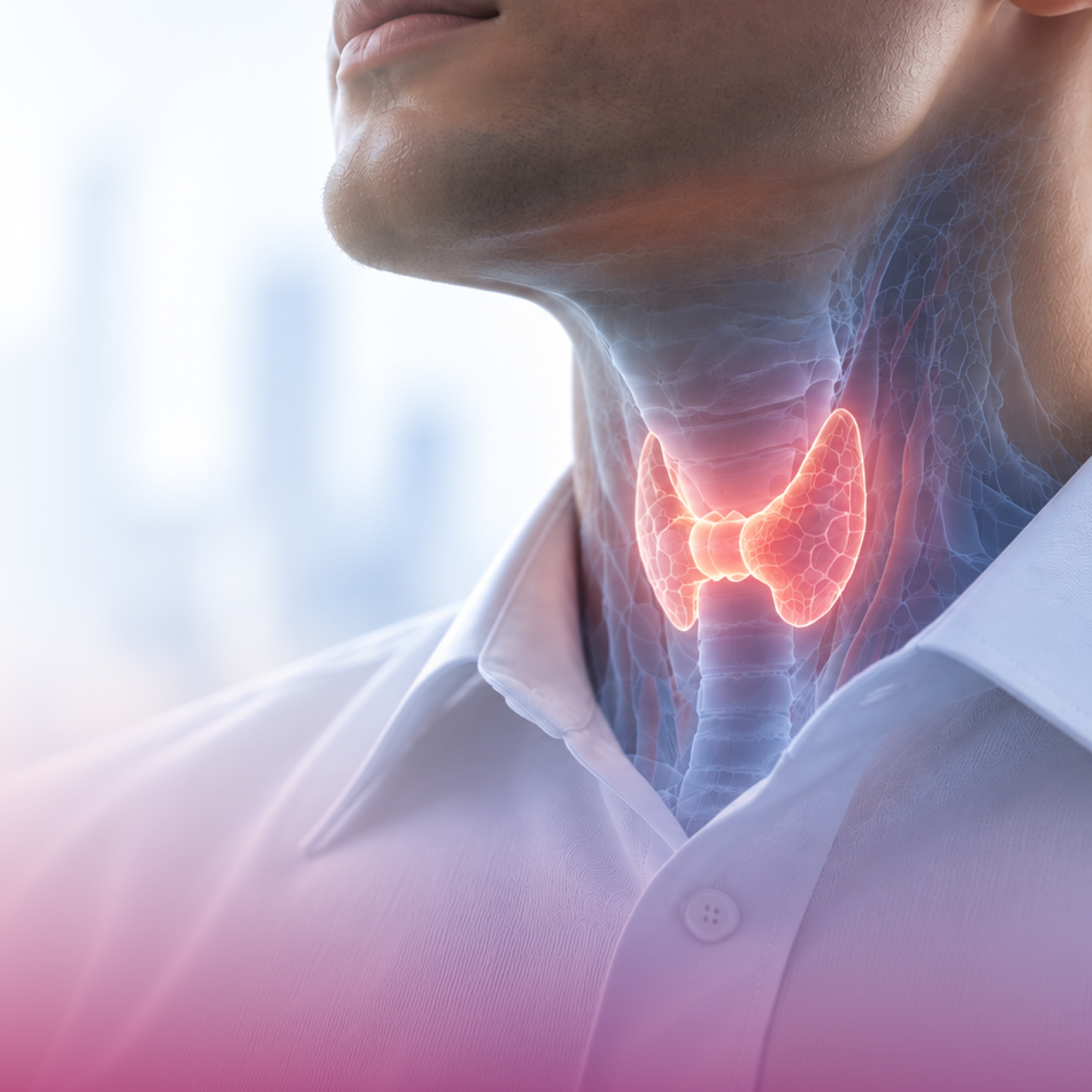
2. Thyroid Disorders
Hypothyroidism
An underactive thyroid gland leads to slow metabolism.
Symptoms
● Weight gain
● Fatigue
● Dry skin
● Constipation
● Cold intolerance
Hyperthyroidism
An overactive thyroid gland causes increased metabolic activity.
Symptoms
● Weight loss
● Rapid heartbeat
● Anxiety
● Excessive sweating
● Tremors
3. Obesity & Metabolic Syndrome
Metabolic syndrome is a cluster of conditions that significantly increases the risk of heart disease, stroke, and type 2 diabetes.
Risk Factors
● Abdominal obesity
● High blood pressure
● Elevated blood glucose
● High triglycerides
● Low HDL cholesterol
4. Polycystic Ovary Syndrome (PCOS)
One of the most common hormonal disorders affecting women of reproductive age.
Common Signs
● Irregular menstrual cycles
● Excess facial or body hair
● Acne
● Difficulty conceiving
● Weight gain
● Insulin resistance
PCOS is associated with increased risks of diabetes, obesity, and cardiovascular disease.
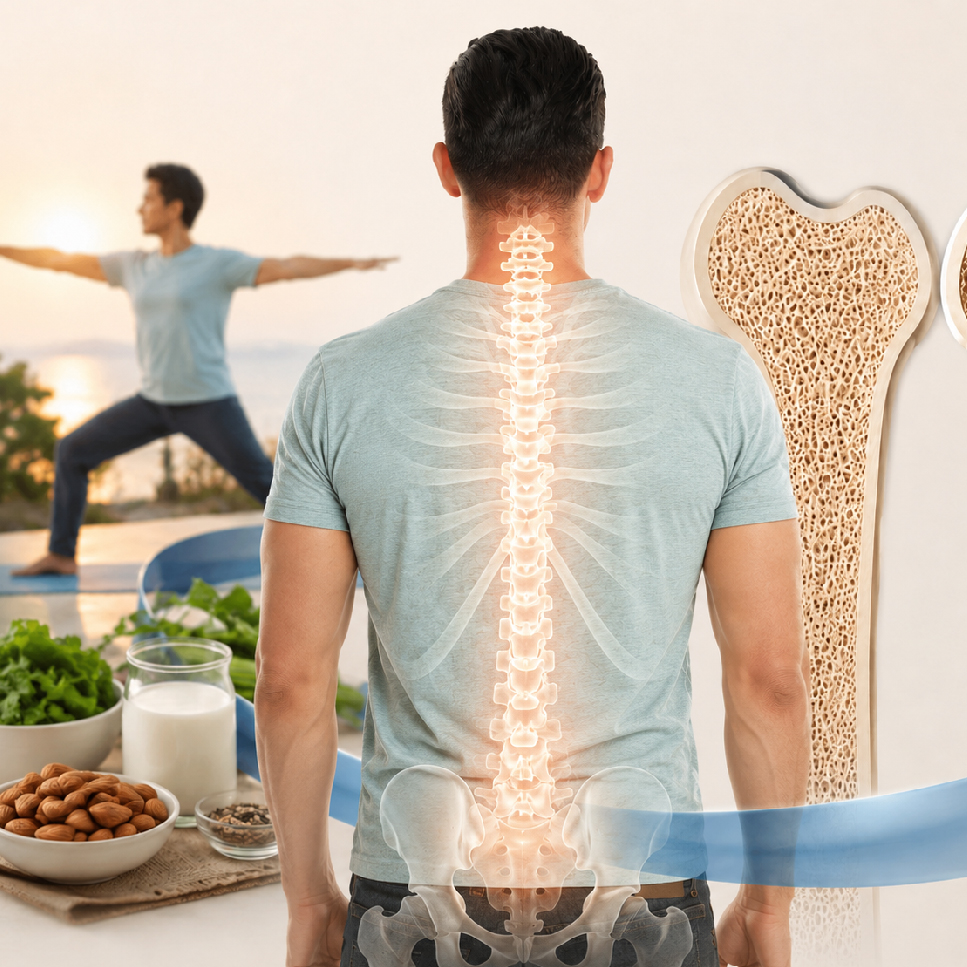
5. Osteoporosis & Bone Metabolism Disorders
Hormones such as estrogen, testosterone, parathyroid hormone, and vitamin D play critical roles in maintaining bone health.
Warning Signs
● Fragility fractures
● Loss of height
● Back pain
● Poor posture
Risk increases with age, especially after menopause.
6. Vitamin D Deficiency
Vitamin D acts like a hormone and is essential for bone health, immune function, and muscle strength.
Symptoms
● Fatigue
● Bone pain
● Muscle weakness
● Frequent infections
Vitamin D deficiency is common in the Middle East despite abundant sunlight.
7. Adrenal Gland Disorders
The adrenal glands produce hormones such as cortisol and aldosterone.
8. Cushing Syndrome
Caused by excess cortisol.
Symptoms
● Weight gains around the abdomen and face
● High blood pressure
● Muscle weakness
● Elevated blood sugar
9. Addison's Disease
Occurs when the adrenal glands do not produce enough hormones.
Symptoms
● Chronic fatigue
● Weight loss
● Low blood pressure
● Dizziness
10. Growth Hormone Disorders
Growth hormone disorders can affect both children and adults.
Growth Hormone Deficiency May cause:
● Delayed growth in children
● Reduced muscle mass
● Fatigue
● Increased body fat
When Should You Seek Medical Advice?
It is recommended to consult a healthcare provider if you experience persistent or unexplained symptoms, such as:
o Persistent fatigue
o Unexplained weight changes
o Excessive thirst or urination
o Hair thinning or hair loss
o Mood changes or depression
o Irregular menstrual cycles
o Sleep disturbances
o Difficulty concentrating
o Changes in heart rate
Protect Your Hormonal Health:
Eat for Metabolic Wellness
o Vegetables and fruits
o Whole grains
o Lean protein
o Healthy fats
Stay Active
Aim for at least 150 minutes of moderate-intensity activity per week.
Prioritise Sleep
Adults should target 7-9 hours nightly.
Know Your Numbers
Monitor:
● Blood glucose
● Blood pressure
● Cholesterol
● Body weight
● Vitamin D levels
Schedule Regular Screenings
Early diagnosis greatly improves outcomes for most endocrine and metabolic disorders.
Did You Know?
● The endocrine system consists of glands that produce hormones responsible for regulating growth, metabolism, reproduction, sleep, mood, and energy levels. [endocrine.org]
● Diabetes, thyroid disorders, and obesity are among the most common endocrine and metabolic conditions worldwide. [niddk.nih.gov], [endocrine.org]
● Regular health screenings can help detect many endocrine disorders before serious complications develop. [endocrine.org]
● Vitamin D is essential for bone health, muscle function, and immune support.
Treatment and Management of Endocrine & Metabolic Disorders
Treatment depends on the specific condition, its severity, and individual health needs. Many endocrine and metabolic disorders can be effectively managed through a combination of healthy lifestyle modifications, regular monitoring, and medical treatment when required. Common treatment approaches may include prescribed medications, hormone replacement therapy, insulin therapy for diabetes, nutritional counseling, weight management strategies, physical activity, and ongoing follow-up with healthcare professionals. Early diagnosis and adherence to treatment plans can help control symptoms, reduce complications, improve quality of life, and support long-term health and well-being.
Remember: Never stop or change prescribed medications without consulting your healthcare provider. Regular medical reviews and health screenings play an important role in achieving optimal hormonal and metabolic health.
Take Charge of Your Health Today
Small daily habits can have a big impact on your hormonal and metabolic health. Regular screenings, healthy eating, physical activity, quality sleep, and stress management are powerful tools for preventing many endocrine and metabolic disorders.
Know the signs. Get screened. Stay healthy.
How Daman Supports Members with Endocrine Diseases
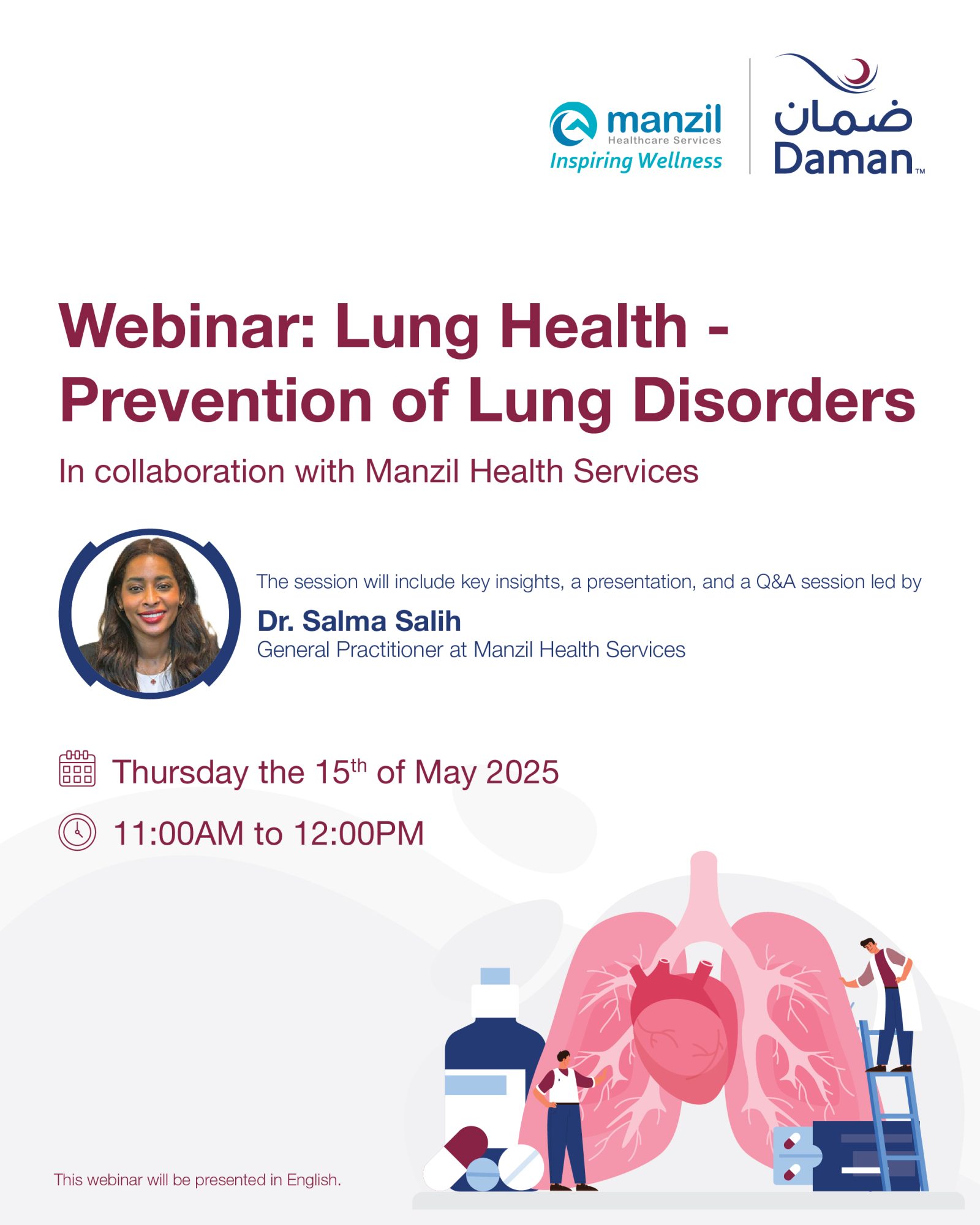
Daman supports members living with endocrine and metabolic disorders through a range of health and wellness initiatives designed to promote early detection, disease awareness, and better health outcomes. Support includes health education through newsletters, webinars, and onsite awareness sessions covering conditions such as diabetes, thyroid disorders, obesity, metabolic syndrome, and other hormone-related conditions. Members are encouraged to participate in preventive health screenings and adopt healthy lifestyle practices to better manage their health.
In addition, Daman offers care coordination and follow-up support through its Disease Management Programmes for eligible members with chronic conditions, helping them understand their condition, adhere to treatment plans, and make informed healthcare decisions. Through ongoing engagement, education, and preventive care initiatives, Daman aims to empower members to take control of their health, reduce the risk of complications, and improve their overall quality of life.
Resources:
Endocrine Disorders: Types, Causes, Symptoms, and Treatments