Sickle Cell Disease (SCD) is a group of inherited red blood cell disorders characterised by the presence of an abnormal haemoglobin known as haemoglobin S (HbS). Haemoglobin is the protein inside red blood cells responsible for transporting oxygen throughout the body.
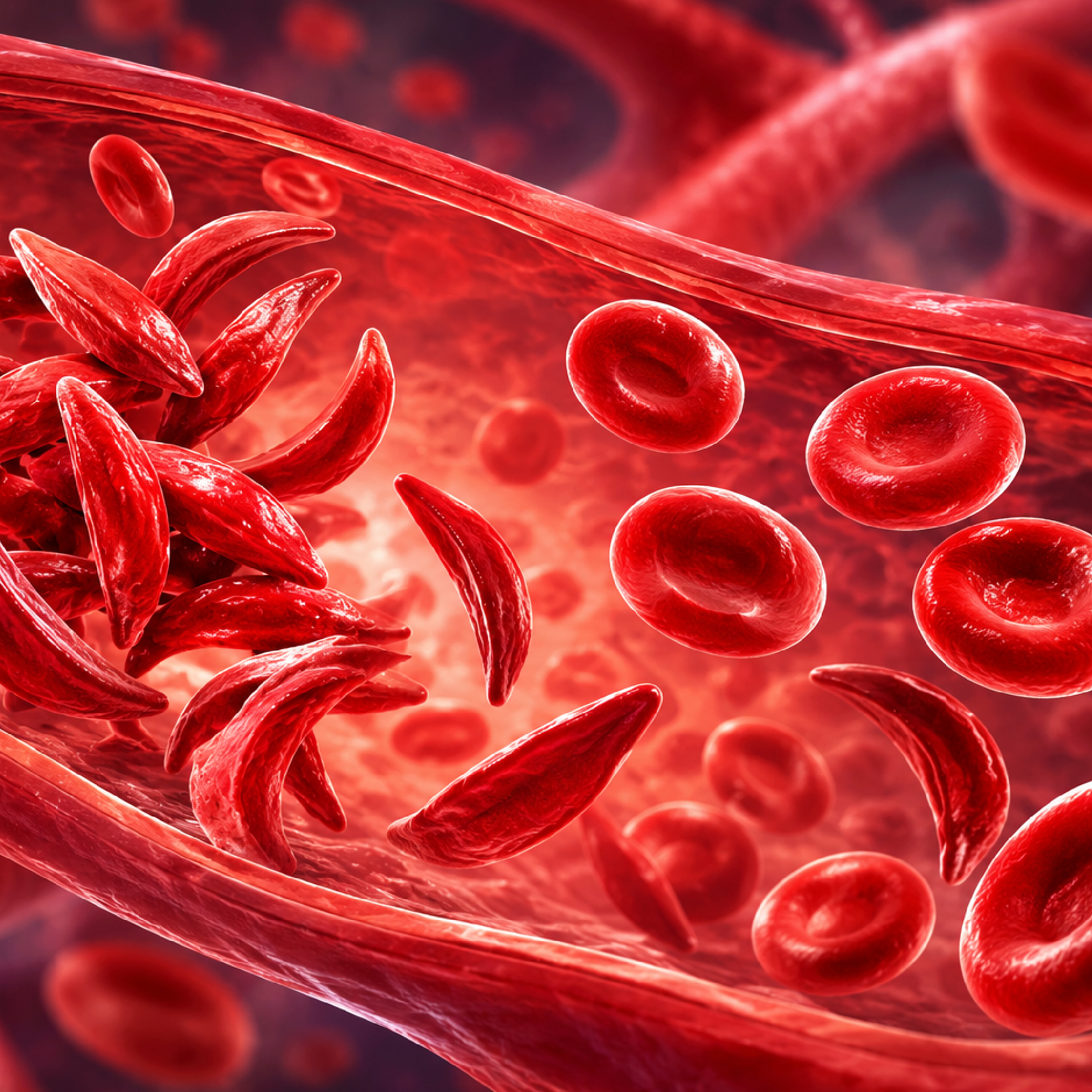
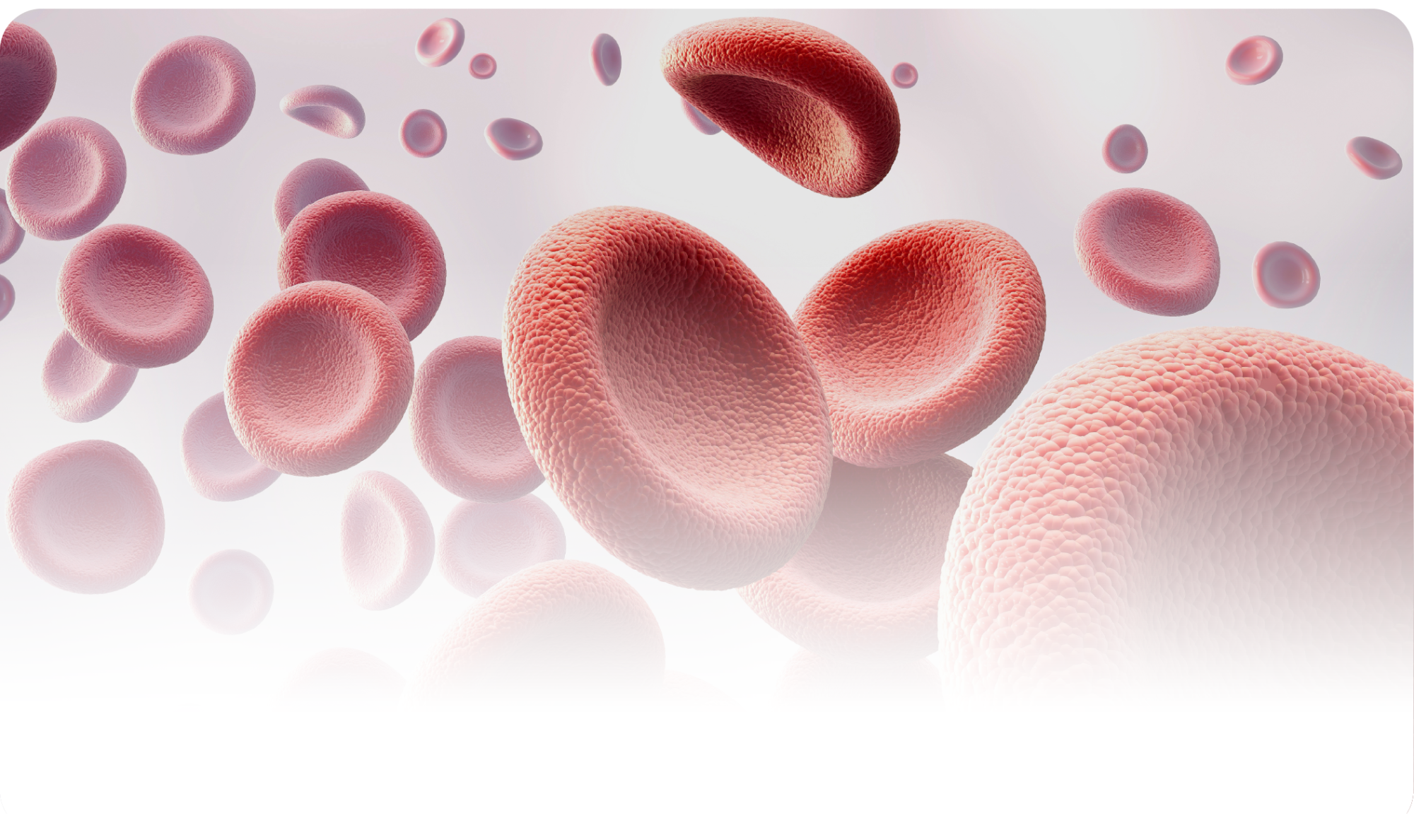
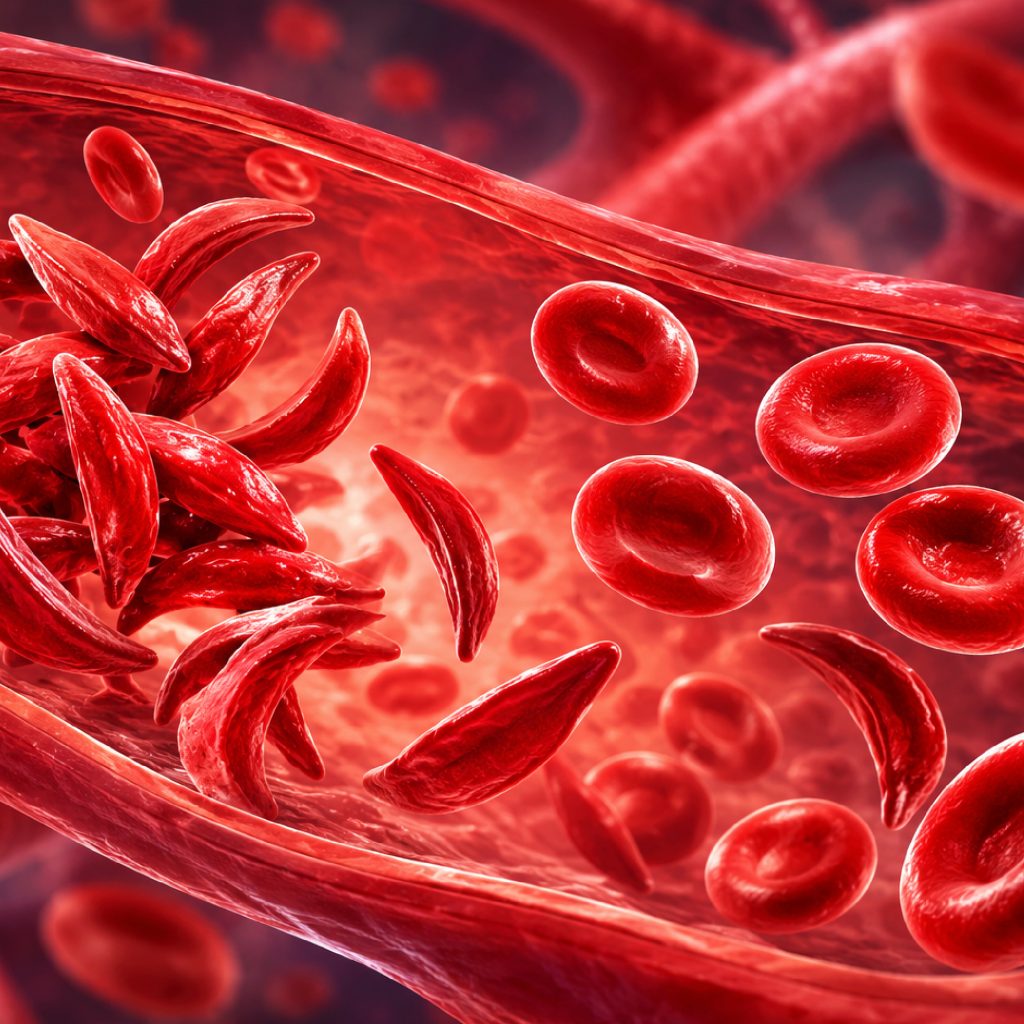
In healthy individuals, red blood cells are smooth, flexible, and round, allowing them to move easily through even the smallest blood vessels. In people with SCD, the abnormal haemoglobin causes red blood cells to become:
•Rigid
•Sticky
•C shaped (sickle shaped)
These sickled cells have a much shorter lifespan (10-20 days vs. 120 days for normal RBCs), leading to a chronic shortage of red blood cells (hemolytic anemia).
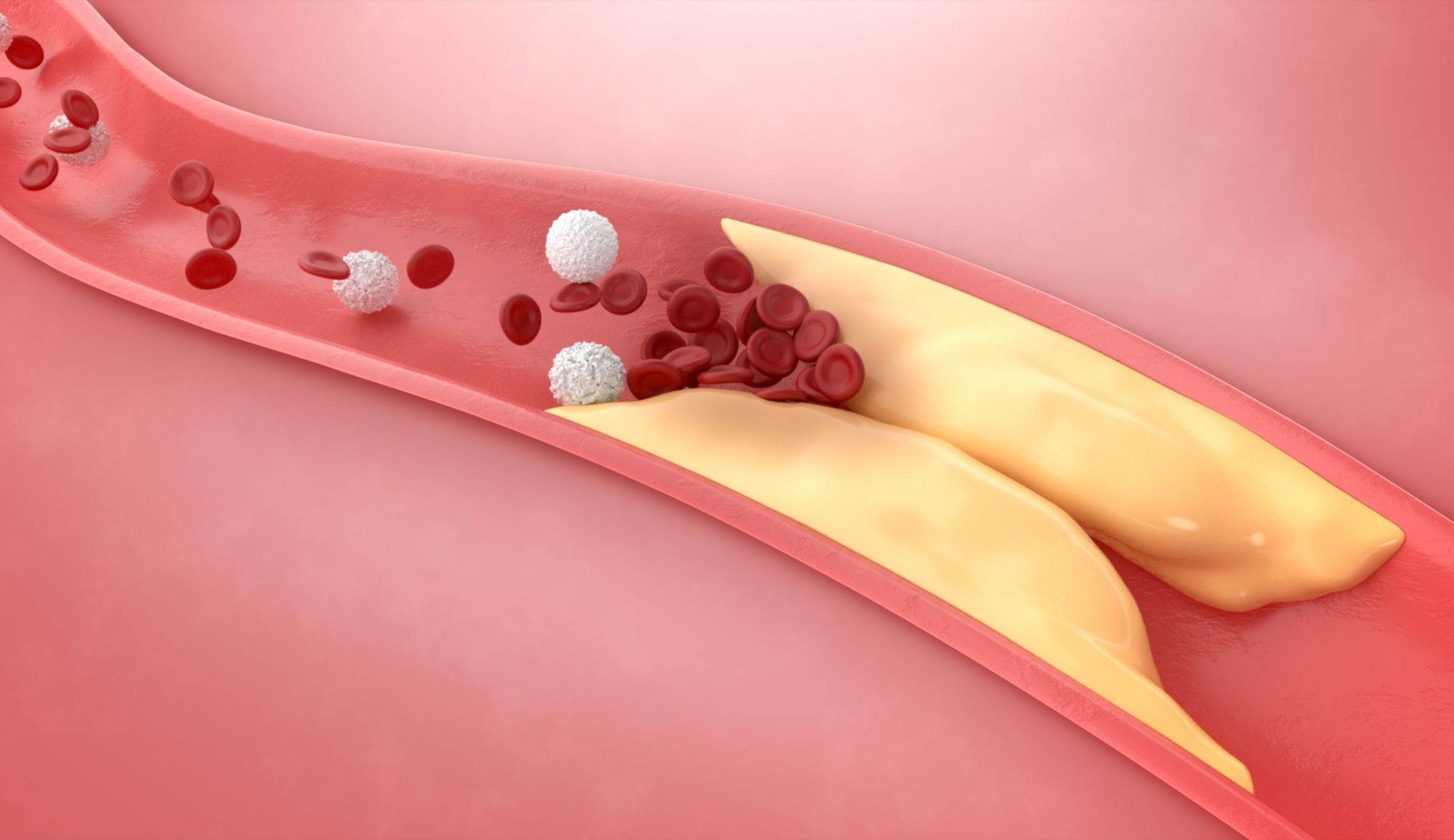
Additionally, sickled cells tend to clump together and obstruct small blood vessels, blocking oxygen delivery to tissues. This results in:
•Severe pain episodes (vaso occlusive crises)
•Infections due to spleen dysfunction
•Acute chest syndrome
•Stroke and other organ complications
Key facts about Sickle Cell Disease (SCD) - WHO
•Global burden: In 2021, 7.74 million people were living with SCD, with 515,000 affected newborns, nearly 80% of whom were in sub Saharan Africa.
•Child mortality: SCD caused 81,100 under 5 deaths in 2021, ranking as the 12th leading cause of death in this age group.
•Underestimated deaths: True SCD mortality is 11× higher than traditional cause specific records (376,000 vs. 34,400 deaths in 2021).
•Major complications: Includes acute pain crises, chronic anemia, stroke, severe infections, kidney failure, and pregnancy related risks.
•Effective interventions: Proven measures include hydroxyurea, vaccinations, infection prevention, and comprehensive care programmes.
Read more: Sickle-Cell Disease
Who Can Get Sickle Cell Disease (SCD)?
People develop SCD only if they inherit two abnormal haemoglobin genes, one from each parent. This usually means:
•Two copies of the haemoglobin S gene
or
•One haemoglobin S gene plus another faulty haemoglobin gene such as β thalassemia or haemoglobin C.
Who Has Sickle Cell Trait?
People have sickle cell traits when they inherit:
•One normal haemoglobin A gene.
and
•One haemoglobin S gene.
They are carriers, meaning they usually do not have symptoms but can pass the sickle gene to their children.
How Sickle Cell Disease Is Inherited
When both parents are carriers (each has one A gene and one S gene), each child has:
•25% chance of inheriting two normal A genes → No SCD or trait
•50% chance of inheriting one A and one S gene → Sickle Cell trait (carrier)
•25% chance of inheriting two S genes → Sickle cell disease
These probabilities remain the same with every pregnancy, and boys and girls are equally affected.
Learn more: Sickle Cell Disease - Causes and Risk Factors | NHLBI, NIH
Types of Sickle Cell Disease:
The type of SCD a person has depends on the specific haemoglobin genes inherited from each parent. Each type involves at least one gene for haemoglobin S, combined with another abnormal haemoglobin gene.
Below are the most common types of SCD:
1. Haemoglobin SS Disease:
•The most common and usually the most severe form
•Occurs when a person inherits two sickle cell genes (S + S)
2. Haemoglobin SC Disease:
•Occurs when a person inherits one sickle cell gene (S) and one
•haemoglobin C gene (C)
•Typically, milder than HbSS but still associated with significant complications
3. Haemoglobin S/β⁰‑Thalassemia
•Combination of one sickle cell gene (S) and one β⁰ thalassemia gene
•No normal haemoglobin is produced
•Severity like HbSS
4. Haemoglobin S/β⁺‑Thalassemia
•Combination of one sickle cell gene (S) and one β⁺ thalassemia gene
•Some normal haemoglobin is produced
•Usually milder symptoms
Although less common, they can still cause clinically significant diseases.
Common Symptoms & Complications:
Symptoms can vary from person to person and may be mild or severe.
Common symptoms include:
•Episodes of severe pain (pain crises)
•Fatigue and weakness (due to anaemia)
•Pale or yellowish skin and eyes (jaundice)
•Swollen hands and feet (dactylitis), especially in infants
•Vision problems
•Pulmonary hypertension
•Frequent infections (due to spleen damage)
•Organ damage (liver, kidneys, heart)
•Pregnancy complications (maternal and neonatal risks).
•Delayed growth in children
Read more: Complications of SCD: Blood Clots | Sickle Cell Disease (SCD) | CDC
How Sickle Cell Disease (SCD) Is Diagnosed:
1.Newborn screening: A heel prick blood spot test done within 24–48 hours after birth to detect SCD or sickle cell trait.
2.Haemoglobin electrophoresis: The primary confirmatory test that identifies haemoglobin types (HbA, HbS, HbC, etc.).
3.High performance liquid chromatography (HPLC): A highly accurate method used to confirm SCD and determine the specific variant.
4.Genetic testing: Detects mutations in the HBB gene; used when results are unclear or for prenatal diagnosis.
5.Prenatal diagnosis: CVS (10–12 weeks) or amniocentesis (15–20 weeks) for couples who are both carriers.
6.Carrier testing: A simple blood test to determine if someone carries the sickle cell gene (important for family planning).
7.Confirmatory testing: Additional blood tests performed if initial screening suggests SCD.
Treatment and Management
There is no universal cure for SCD, but many treatments help manage symptoms and reduce complications:
•Pain management (e.g., acetaminophen, ibuprofen, or stronger pain medications)
•Blood transfusions to treat severe anaemia and prevent stroke
•Antibiotics and vaccinations to prevent infections
•Hydroxyurea to reduce pain crises and the need for transfusions
•Curative option: Bone marrow (stem cell) transplant. The only potential cure for some patients, but it requires a suitable donor and carries risks.
Living with Sickle Cell Disease
1.Regular medical follow up: Routine visits help monitor anaemia, organ health, and treatment response.
2.Pain management plan: Includes home pain relief, hydration, heat therapy, and when to seek hospital care.
3.Healthy lifestyle: Balanced diet, adequate sleep, and avoiding smoking to support overall health.
4.Exercise safely: Light to moderate activity is beneficial; avoid overexertion and dehydration.
5.Preventing infections: Hand hygiene, vaccinations, and early treatment of fevers are critical.
6.Mental health support: Chronic illness can affect mood; counselling and support groups help.
7.School and work planning: Accommodations may be needed for fatigue, pain episodes, or medical appointments.
8.Education and awareness: Empower families to recognise early warning signs and seek timely care.
9.Travel precautions: Carry medical records, avoid high altitudes, stay hydrated, and plan for emergencies.
10.Reproductive health: Women with SCD need specialised care during pregnancy due to higher risks.
Key Message
Sickle Cell Disease is a lifelong condition, but with early diagnosis, comprehensive medical care, and healthy daily habits, many people with SCD can live full, productive, and active lives. Awareness, education, and consistent follow‑up care are essential to prevent serious complications, support wellbeing, and empower individuals and families affected by the disease.